This Type of Art Is Usually So Unique That Only the Artist Really Knows What He Painted
Art style describes why an artwork looks the mode it looks. It's a window into the creative person's creative process to assist you lot understand the artist's vision, subject, and feelings expressed on the canvass. In this listing, nosotros outline xi essentialgimmicky art styles and their characteristics with examples so you lot know what to look for and just buy art online that matches your taste and you lot can relate to.
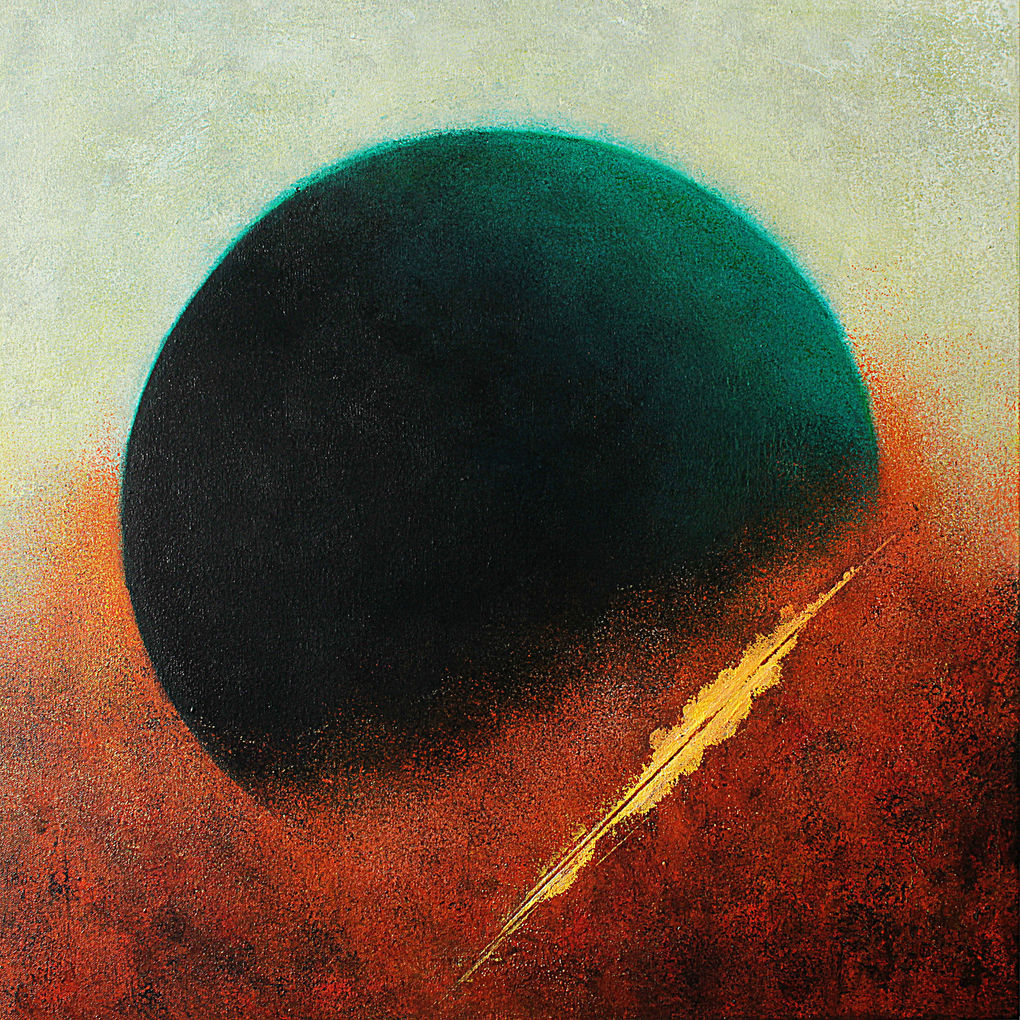
Spherical Revelation - Peisy Ting
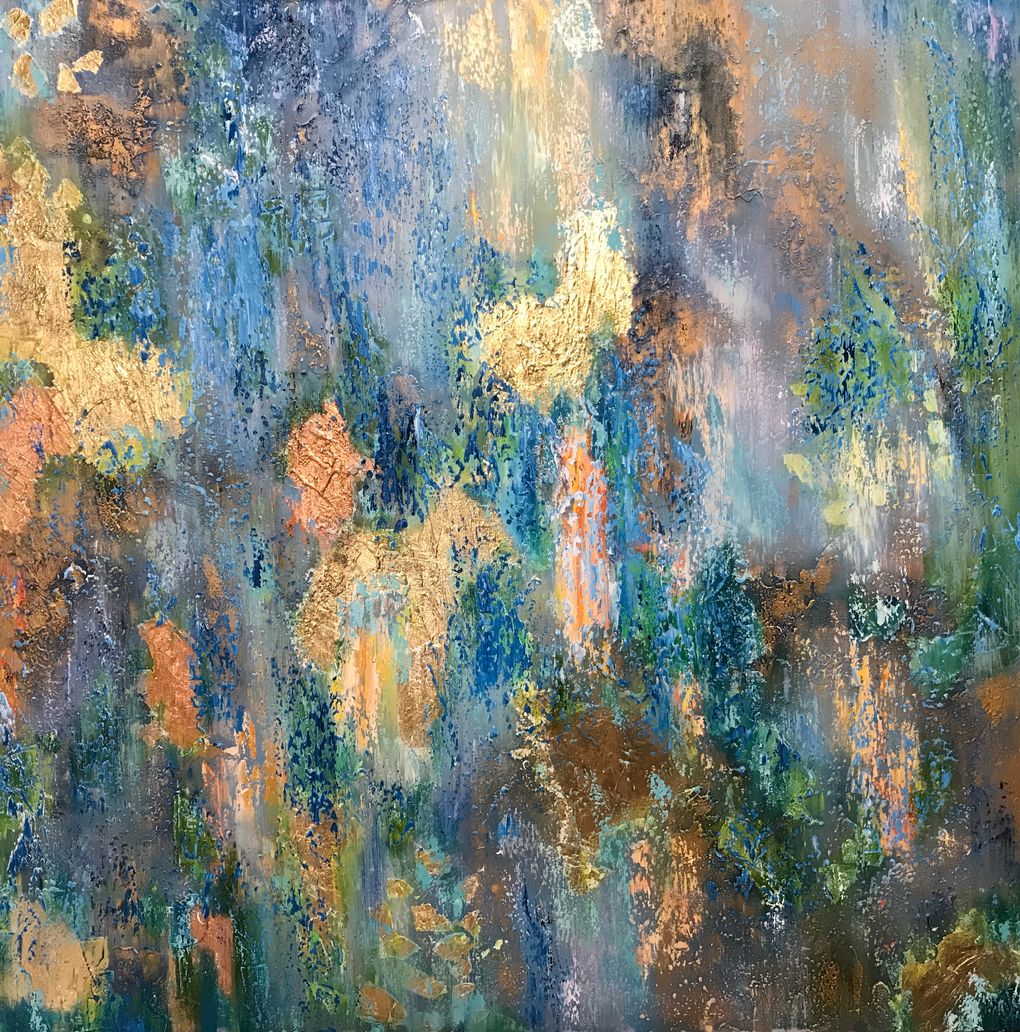
Sea Jiff - Diana Malivani
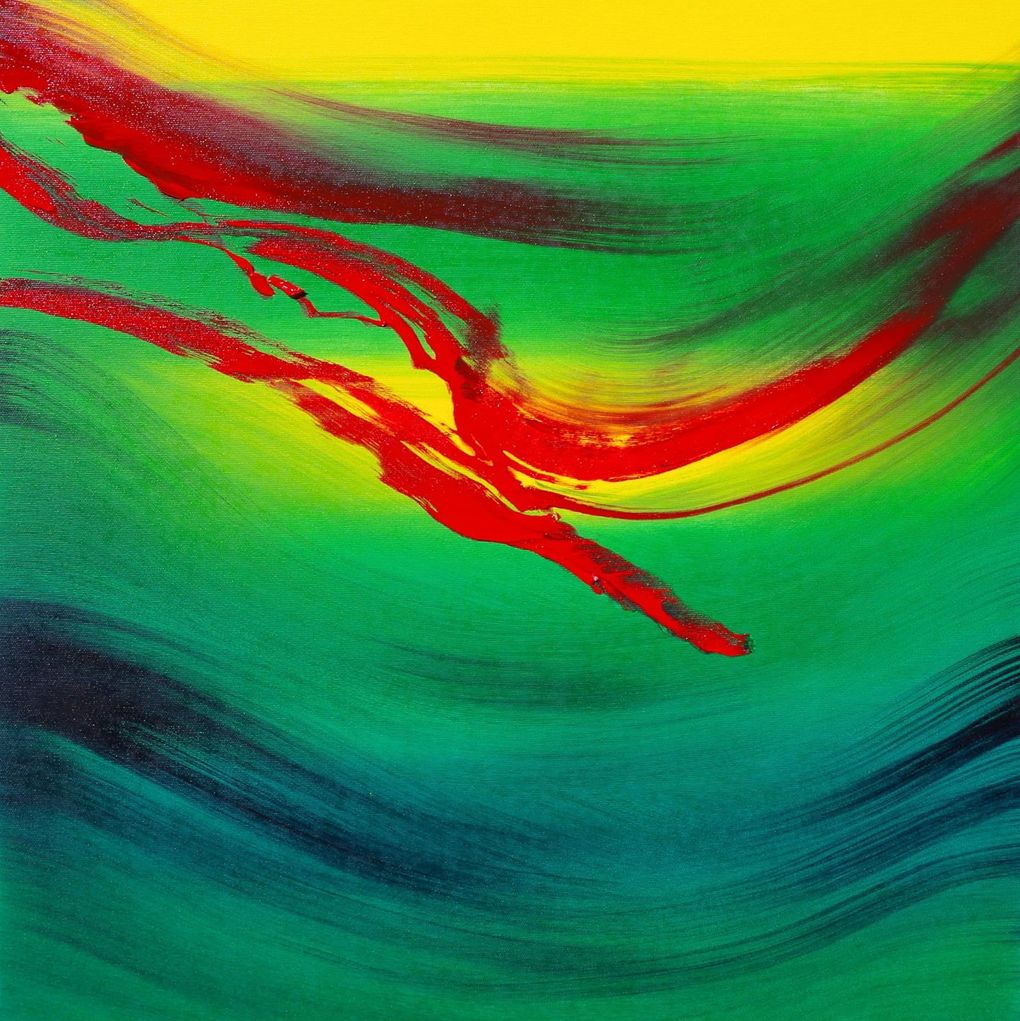
Touch of red - Davide De Palma

Metamorphosis - Ocean Stories - Aarti Bartake
Abstract art, too known equally physical fine art or nonobjective fine art, tin be divers as a style wherein the artwork takes an chemical element from the real earth and represents it using shapes, colors, forms, and gestural marks simply discrete from it truest form. Objects are represented by shapes and gestural marks while colors symbolize emotions. In other words, this art style is a non-objective, non-representational grade of fine art that seeks to replicate the essence of the objects from existent life in a simplified or reorganized style in order to highlight the artists' interpretation of reality.
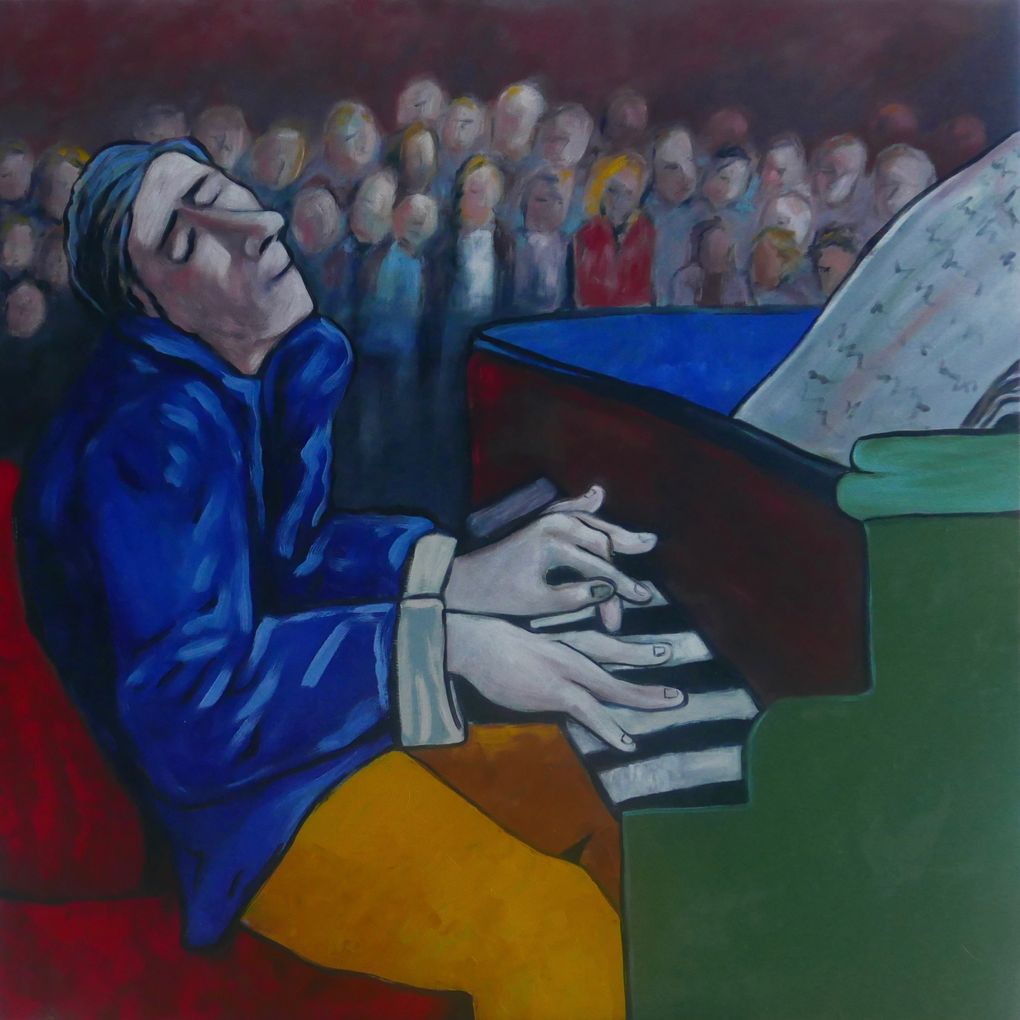
The Concert Pianist - Ta Thimkaeo

Le Bonbon - Ahn Sun Mi
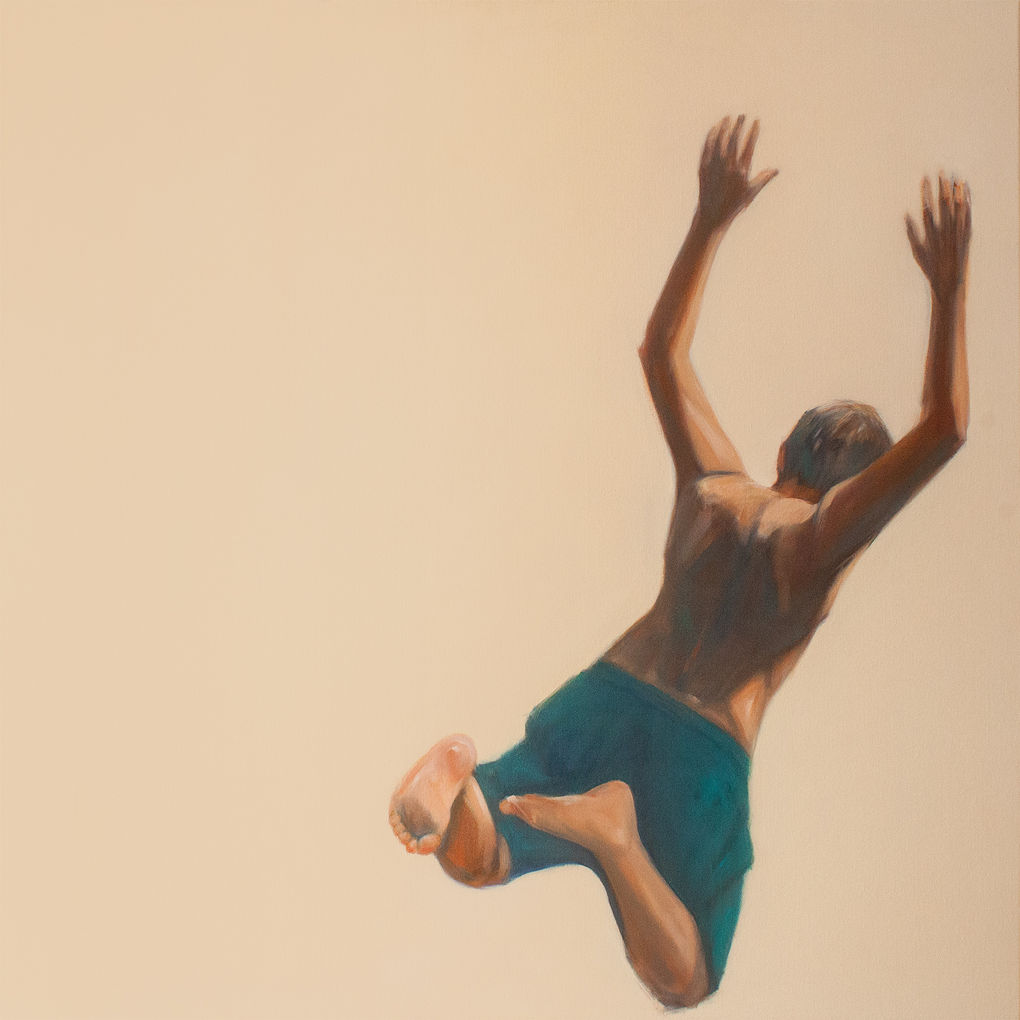
Bound in the Summertime - Nata Zaikina

Scene #24 (From Here to Eternity) - Simon Ng
Figurative art is the art of realistic representation and has been the goal of art-making since ancient times. Traditionally, figurative artists strove to create works that were derived from real object sources and often depicted man figures. Information technology is regarded as what contrasts abstruse art - fine art that does not employ recognizable motifs - also known every bit non-representational art. From its evolution to fine art-making today, we notice that figurative works yet have a stronghold in our contemporary sphere. Like many others in the gimmicky fine art world, figurative art has teamed up with other genres such as abstract, cubist and fifty-fifty minimalist fine art whilst nevertheless withholding a strong sense of figuration.
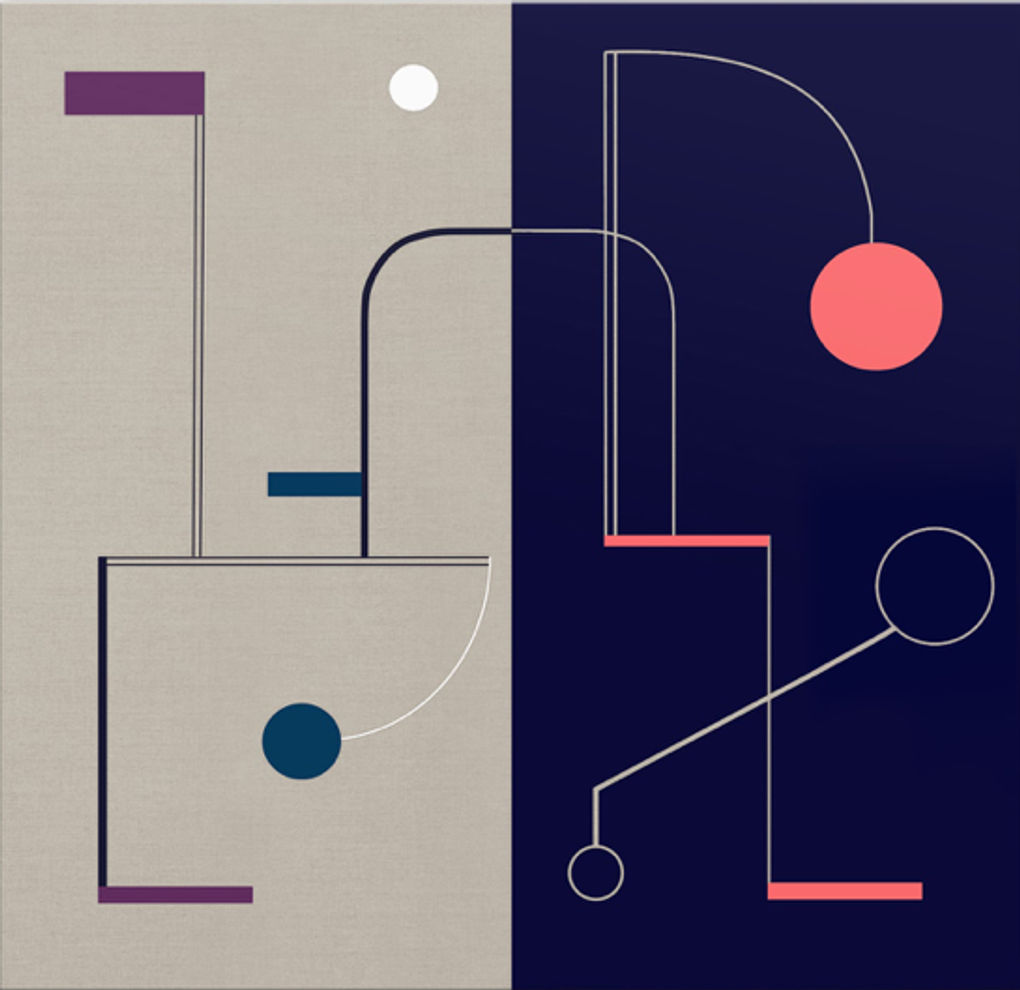
Star Clock at Night Ii - Sinta Tantra
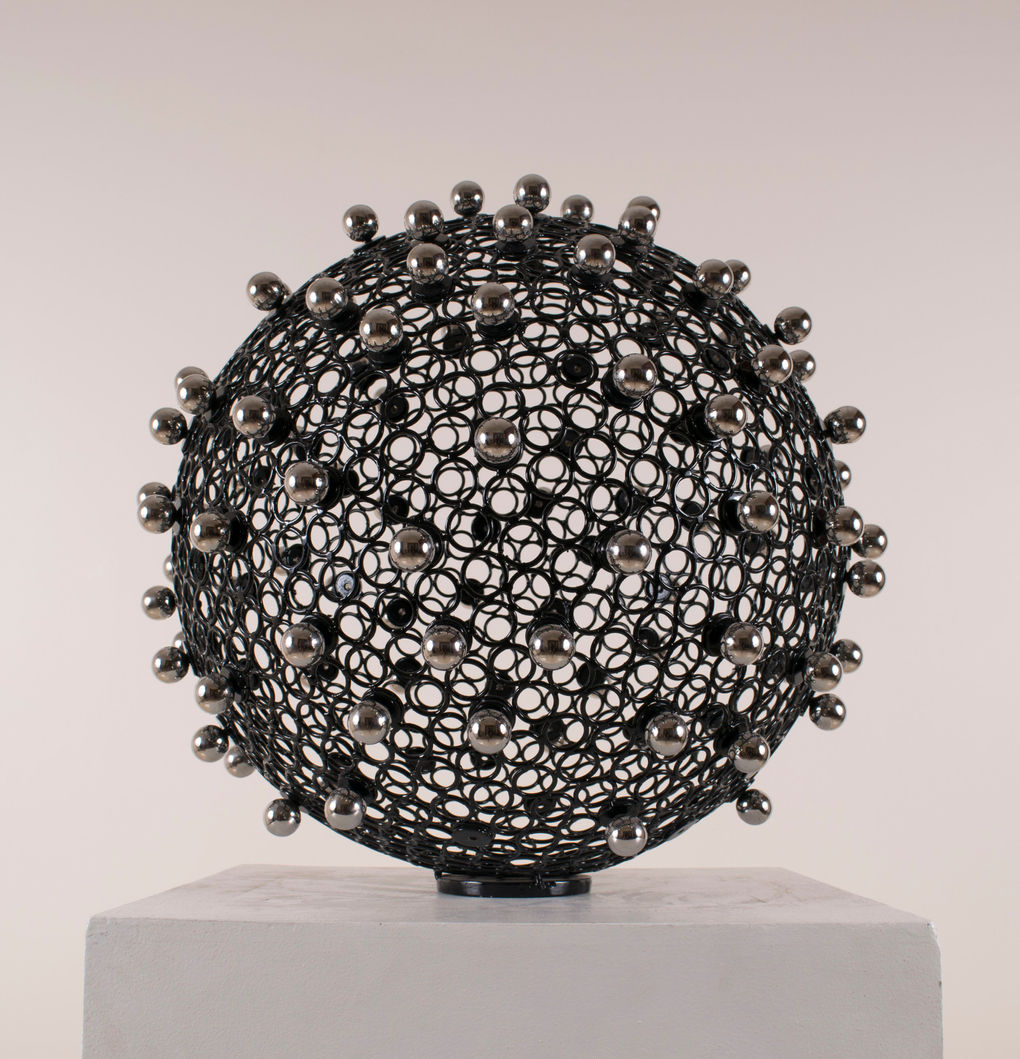
Biosphere 12 - Romicon Revola
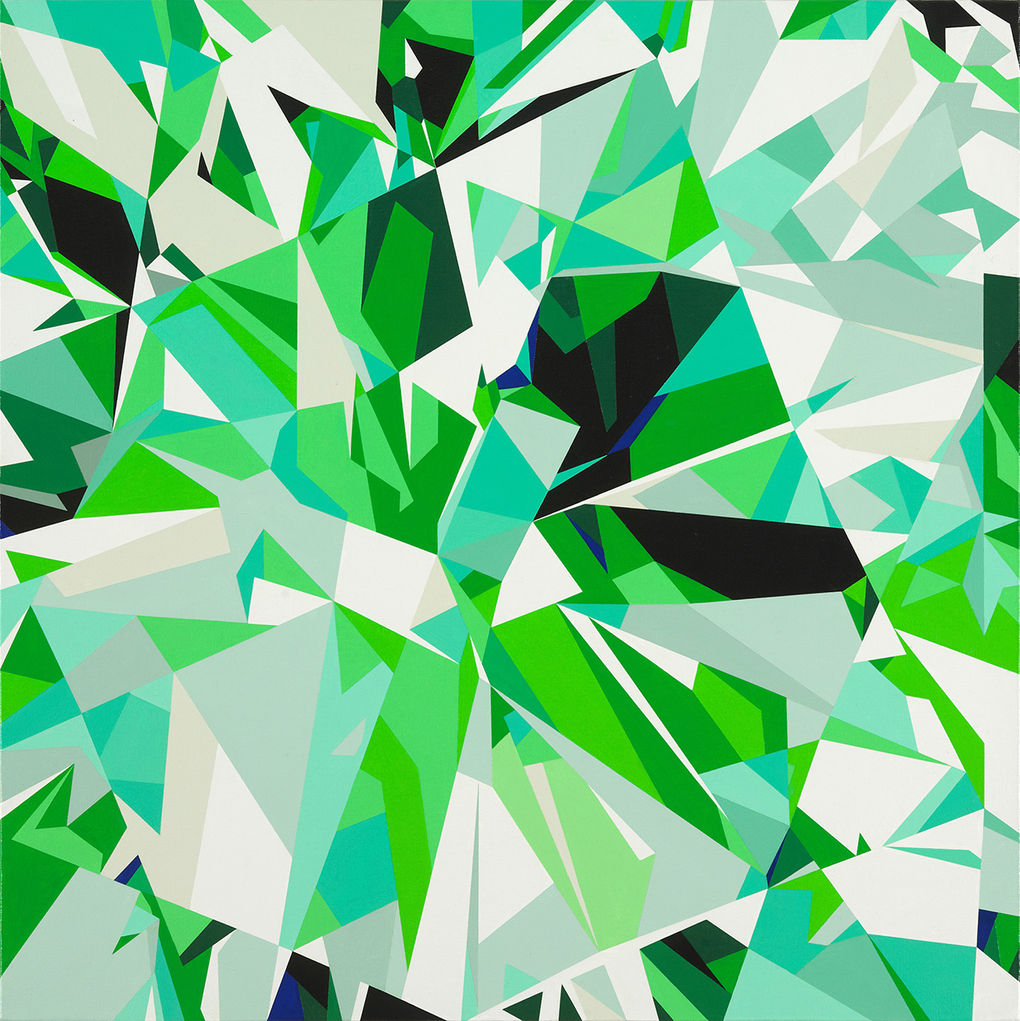
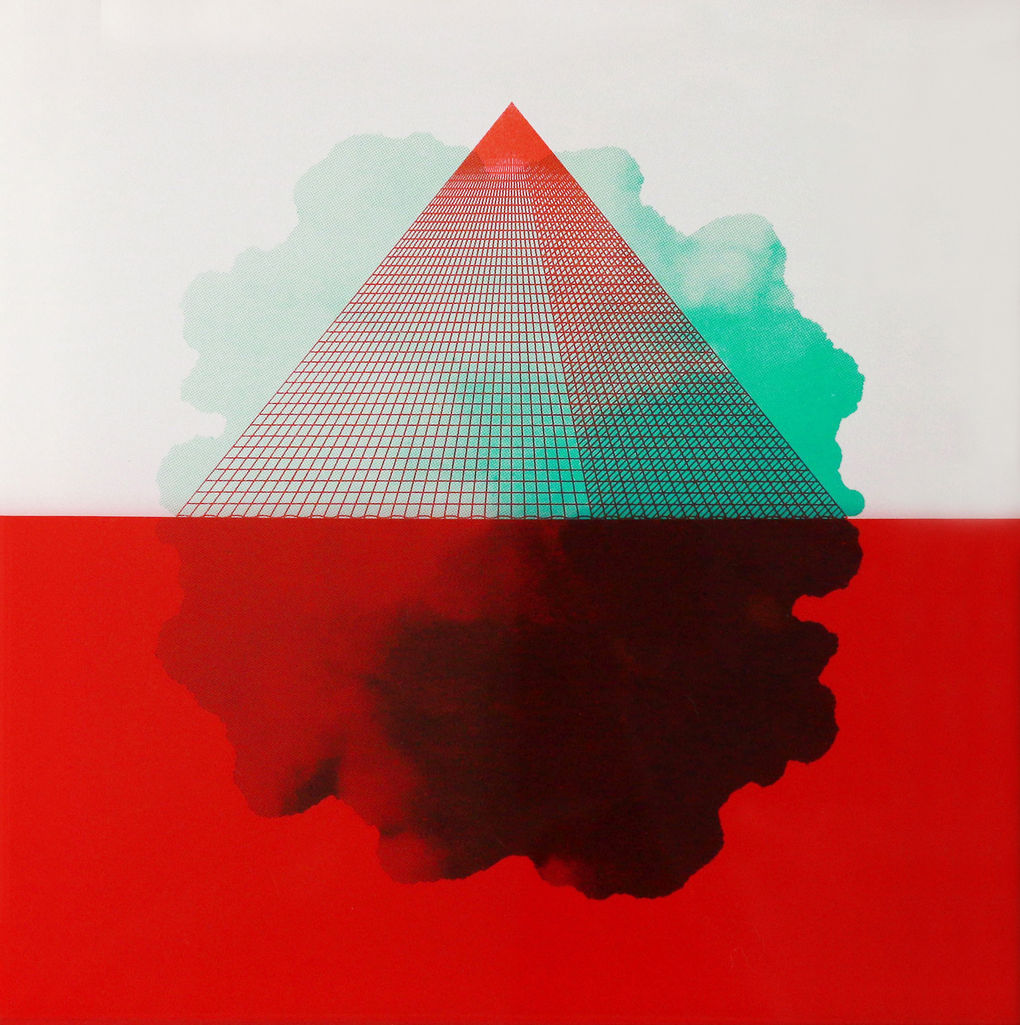
Order - Tetsuya Fukushima
Geometric fine art is artwork rendered through the use of geometric forms fabricated out of points, lines, angles, and shapes. This art style uses a range of geometric shapes from a uncomplicated triangle, foursquare, and circle to circuitous shapes that requires math to create them. Unlike the natural course of organic shapes, geometric shapes favor precision and may even require using tools like a straight-border or compass.
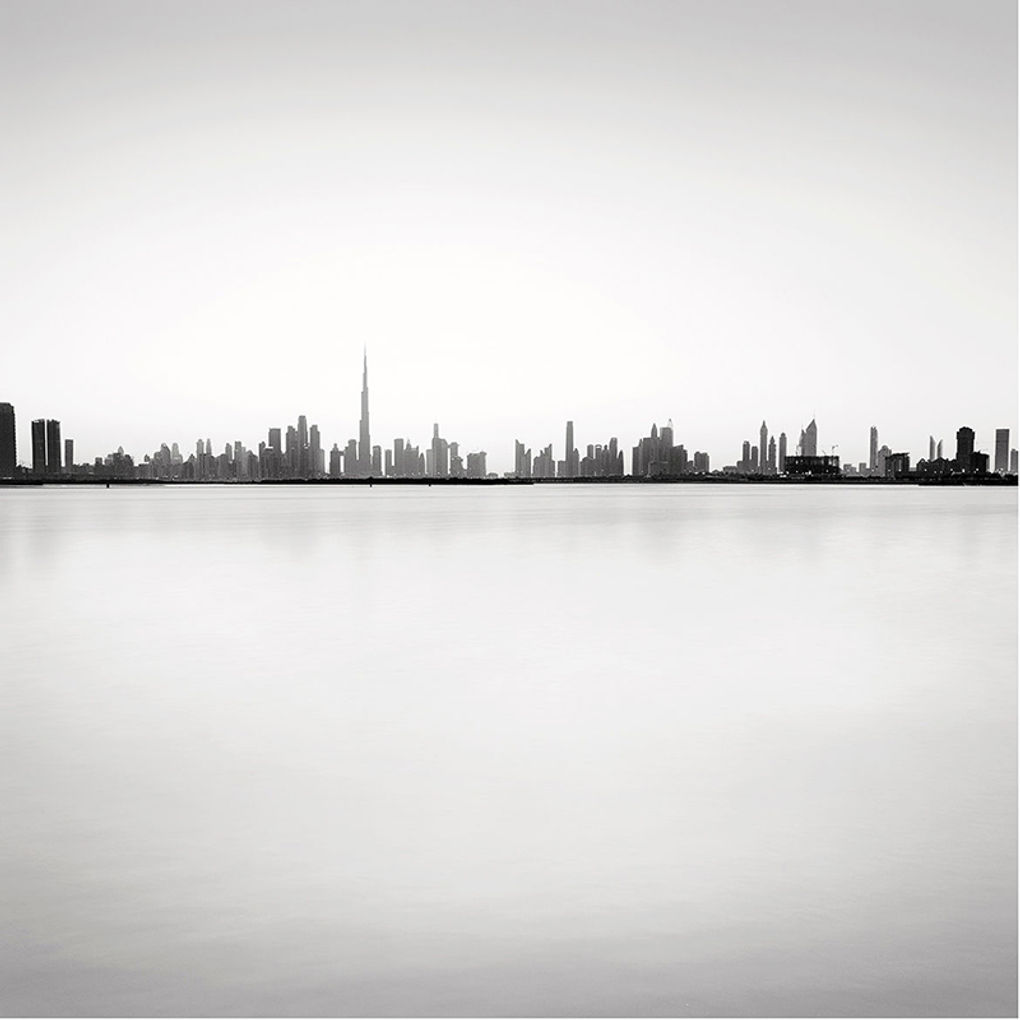
Saint marc study - Alexandre Manuel

OO - Ross Rudel
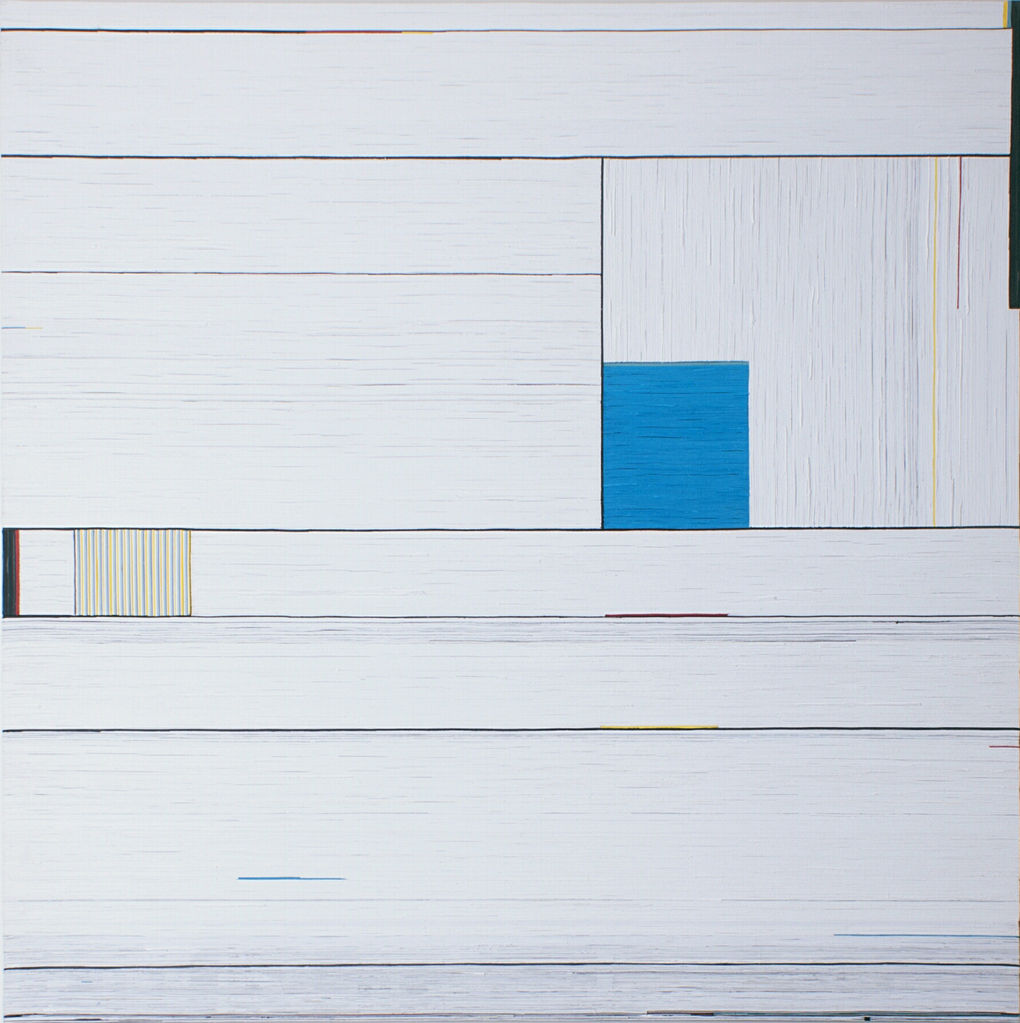
Time Dilation #1 - Irfan Hendrian
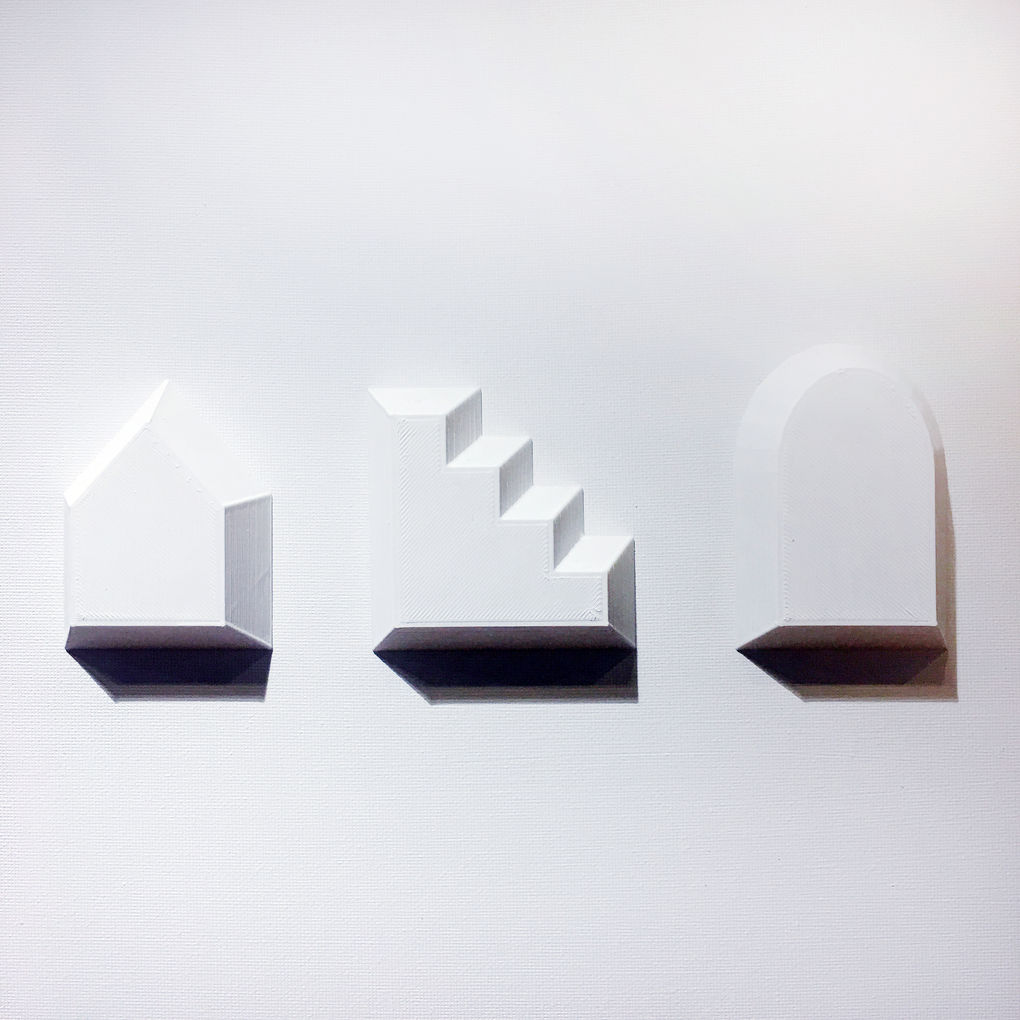
PASSAGE - TKT Blueprint & Architecture
Minimalism constitutes of a school of abstraction devoid of personal expression – or at to the lowest degree where personal expression is kept to a minimum. Geometric lines meet a tangent of the utmost simplicity, and forms deliberately lack expressive content.
What drives minimalist artists in creating what Frank Stella describes as "what you lot run into is what you see", is the belief that art, in all its essence and celebrity, should not refer to anything but itself. Artists who delved into the minimalist art move did not prioritize personal expression, but rather stuck the art itself at the forefront of their creations. They push viewers to comprehend the reality of art that is presented to them, their medium, and their materials.
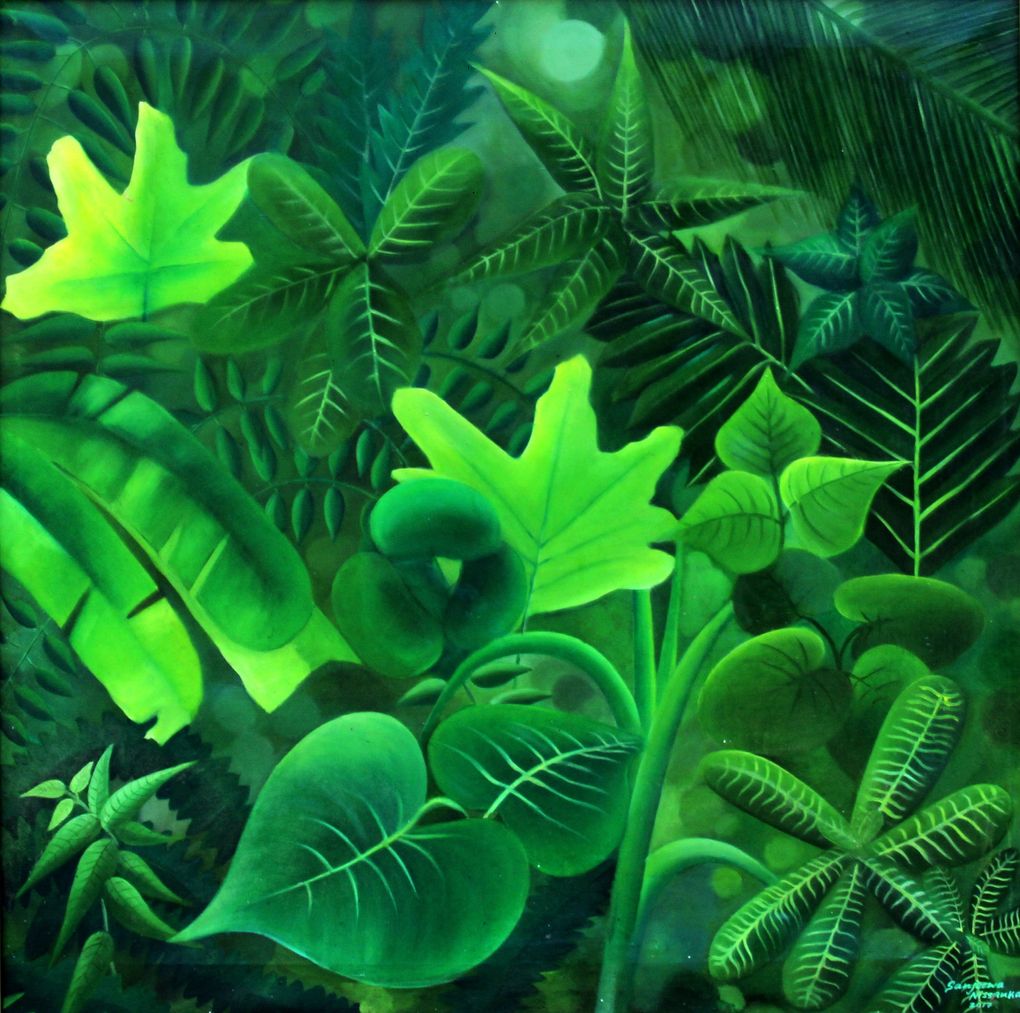
Beauty of the nature - Sanjeewa Nissanka
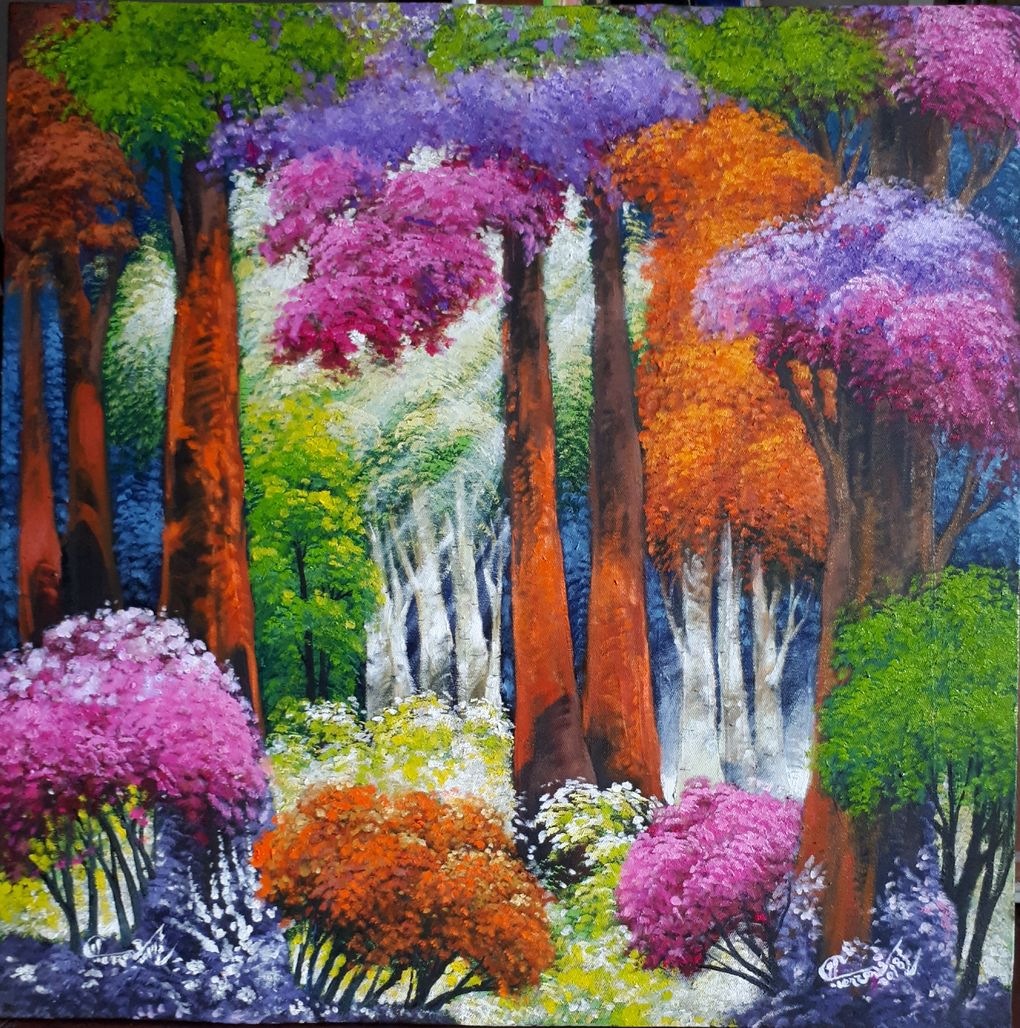
Wilderness In Colorado - Herzon Dela Rosa

Fairyland M-I (W) - Guang-Yu Zhang
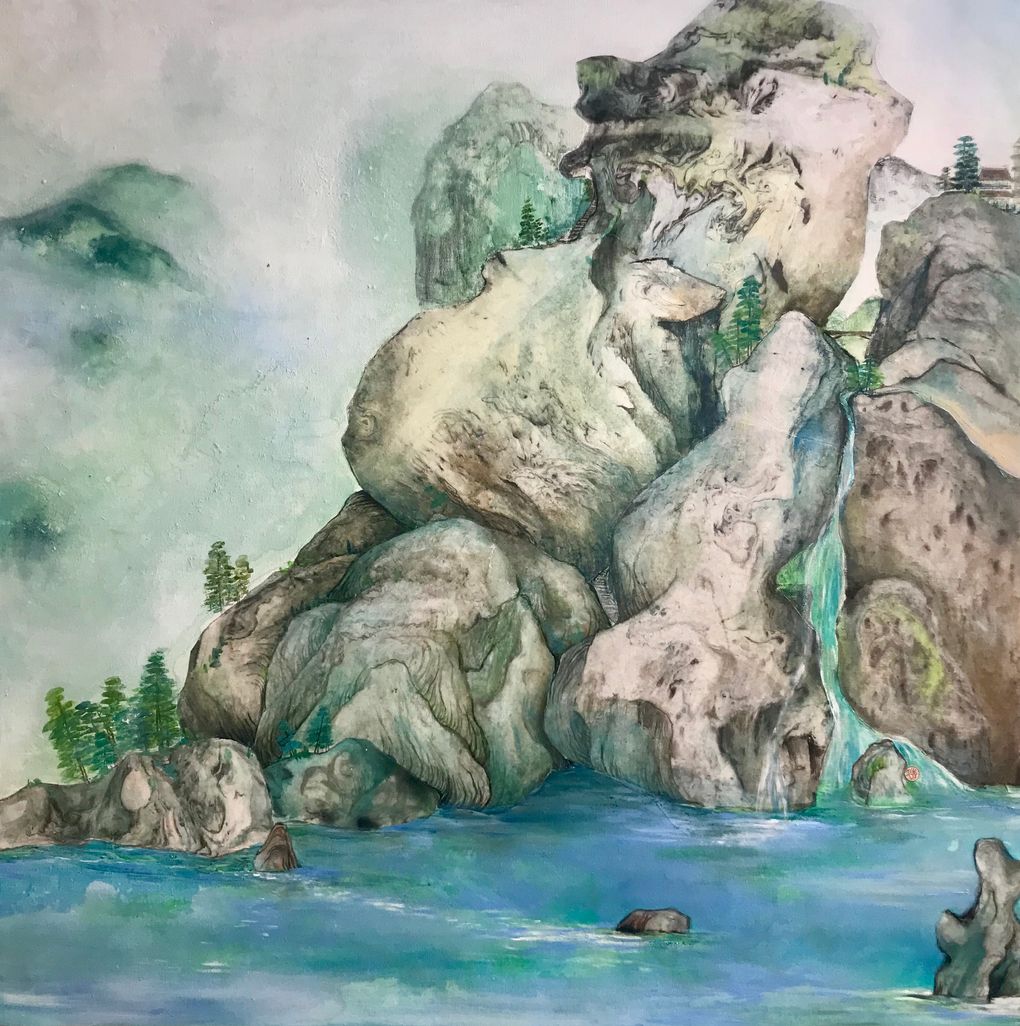
Exploring in the secret - Zue Chan
Nature fine art finds its inspiration in the elements of nature, such as landscapes, gardens, animals, and people. Nature art is attainable beyond a diversity of mediums like painting, drawing, and photography, and this popularity has but increased with the advancement of digital technology. The depiction of this art style has enjoyed acceptance across modern and abstruse forms to traditional interpretations.
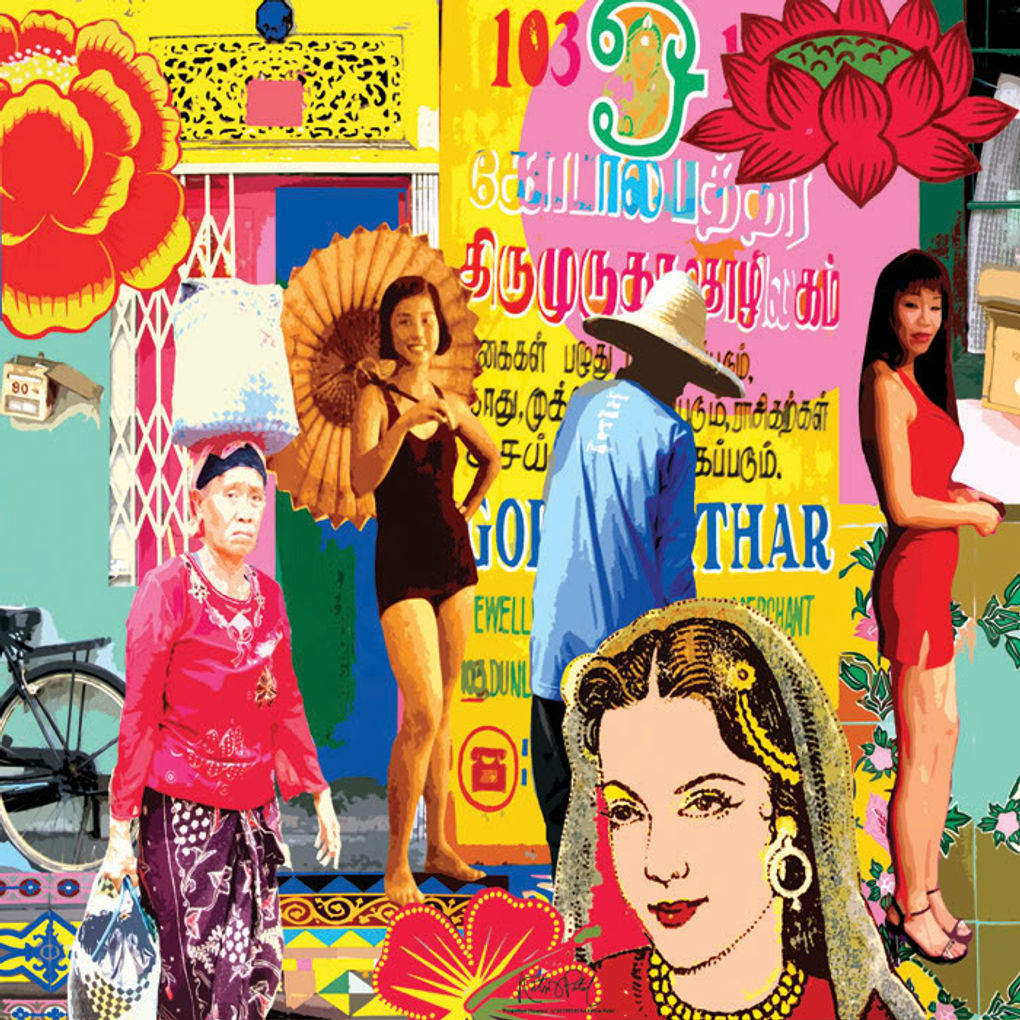
Forgotten Flowers - Ketna Patel
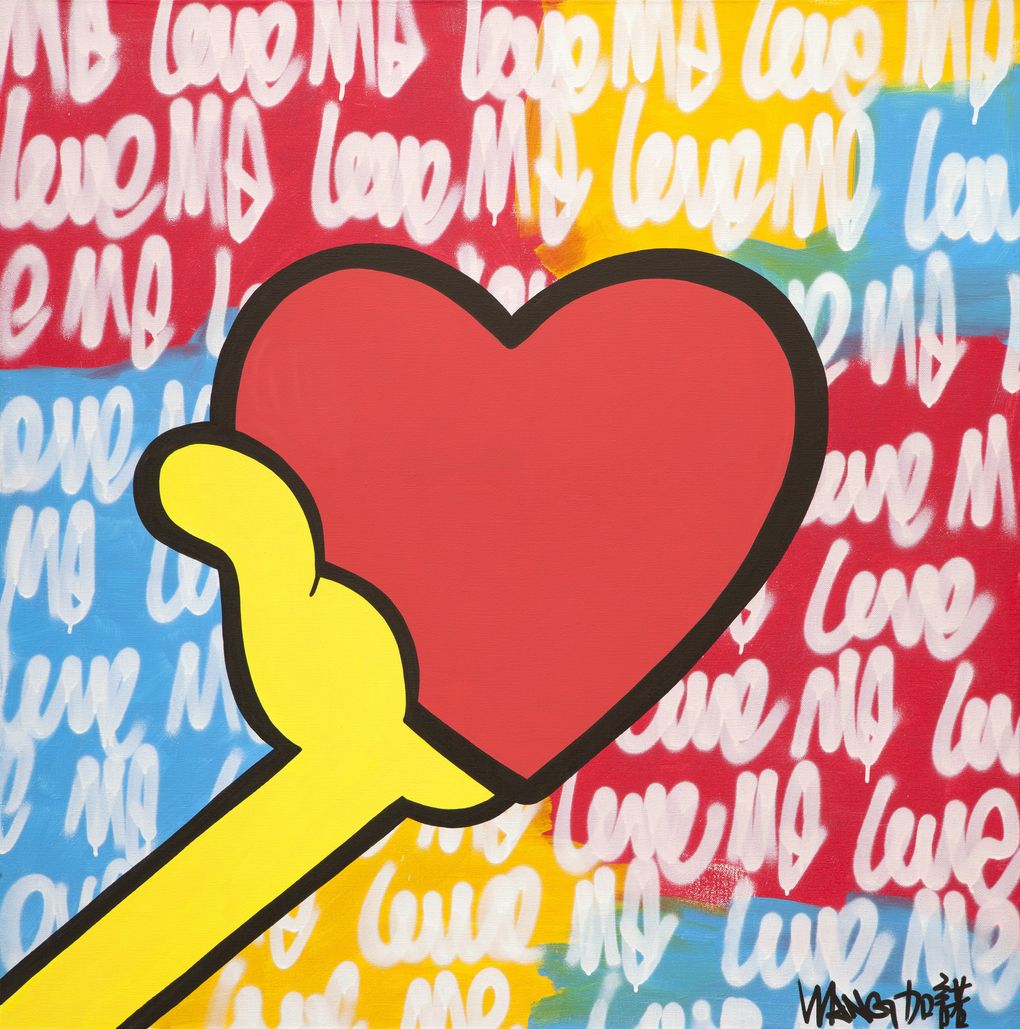
No. 14 - Wang Jianuo
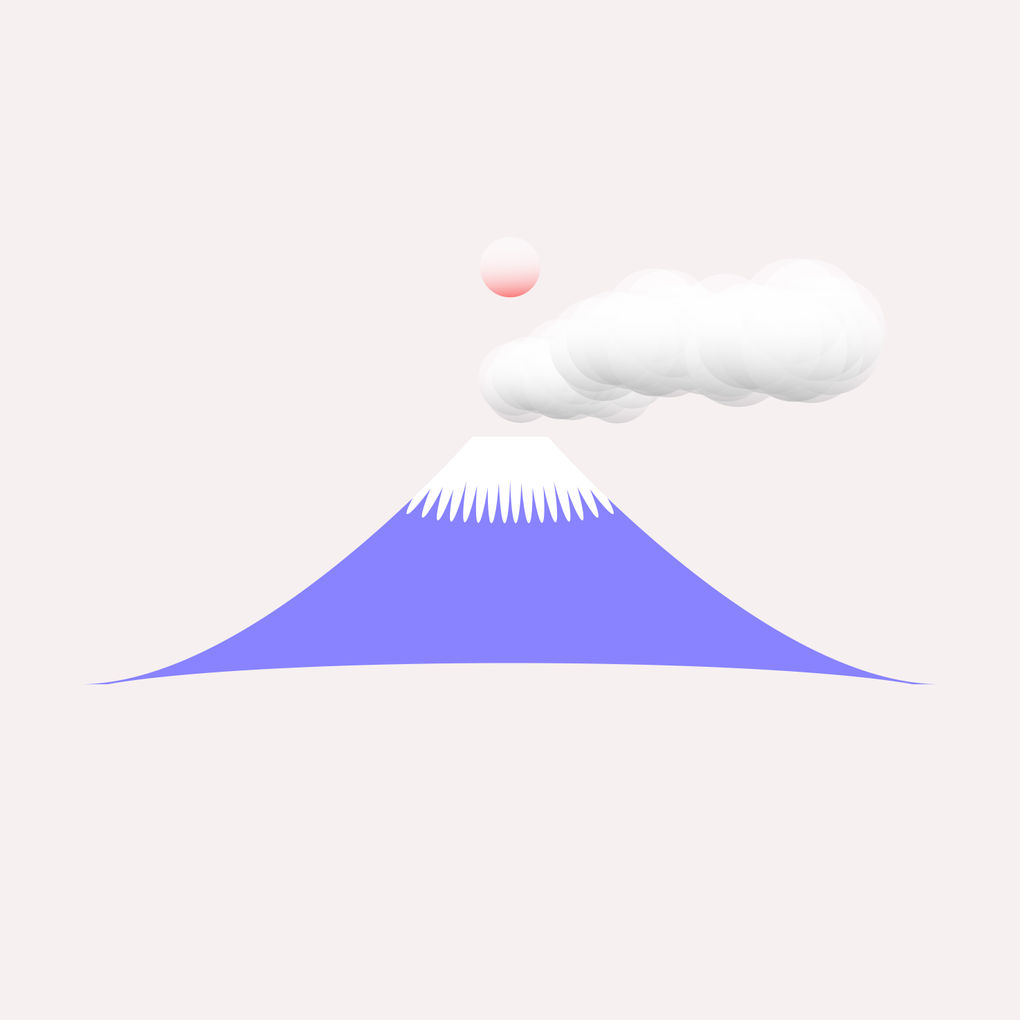
Nice air - Surat Tomornsak
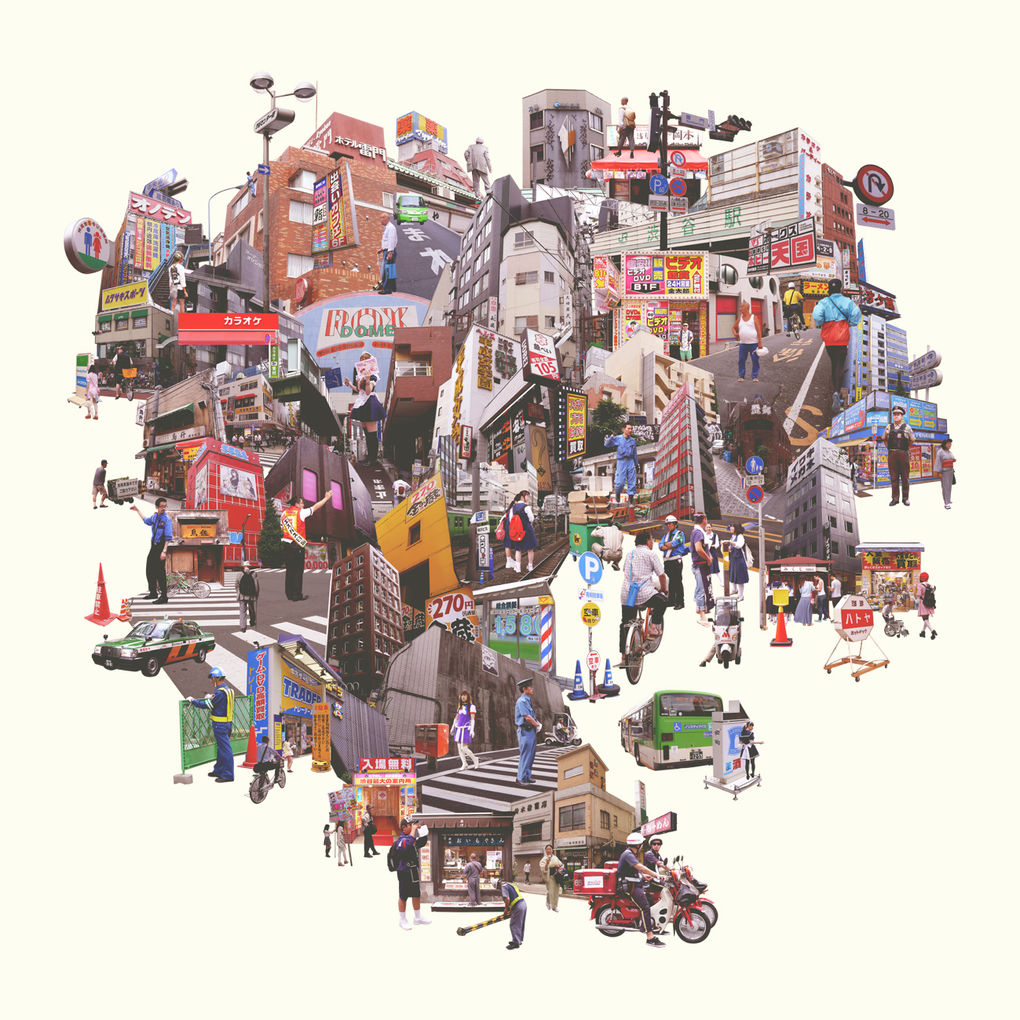
Fabricated in Tokyo #1 - Pariwat Anantachina
One might describe Pop Fine art every bit the genre that "popped up" over the course of mail-war America and Britain during the mid to belatedly 1950s. Distinctively derived from popular and mass culture, artists in this movement sought to explore re-imaginations of commercial imageries. Moreover, it gave way to sure accessibility in budgeted art from the perspective of viewers; simplified, recognizable subjects immune people to digest the artworks in this movement in a less high-brow manner.
Pop Art reached its height in the 1960s. Initially, as a style of resistance confronting "dominant" approaches to art and culture, artists inside this movement felt an imbalance between what they studied and what direct afflicted them in their solar day-to-mean solar day life. As such, they turned to what they felt were relevant imageries extracted from ad, music, comic books, product packaging, and and then on.
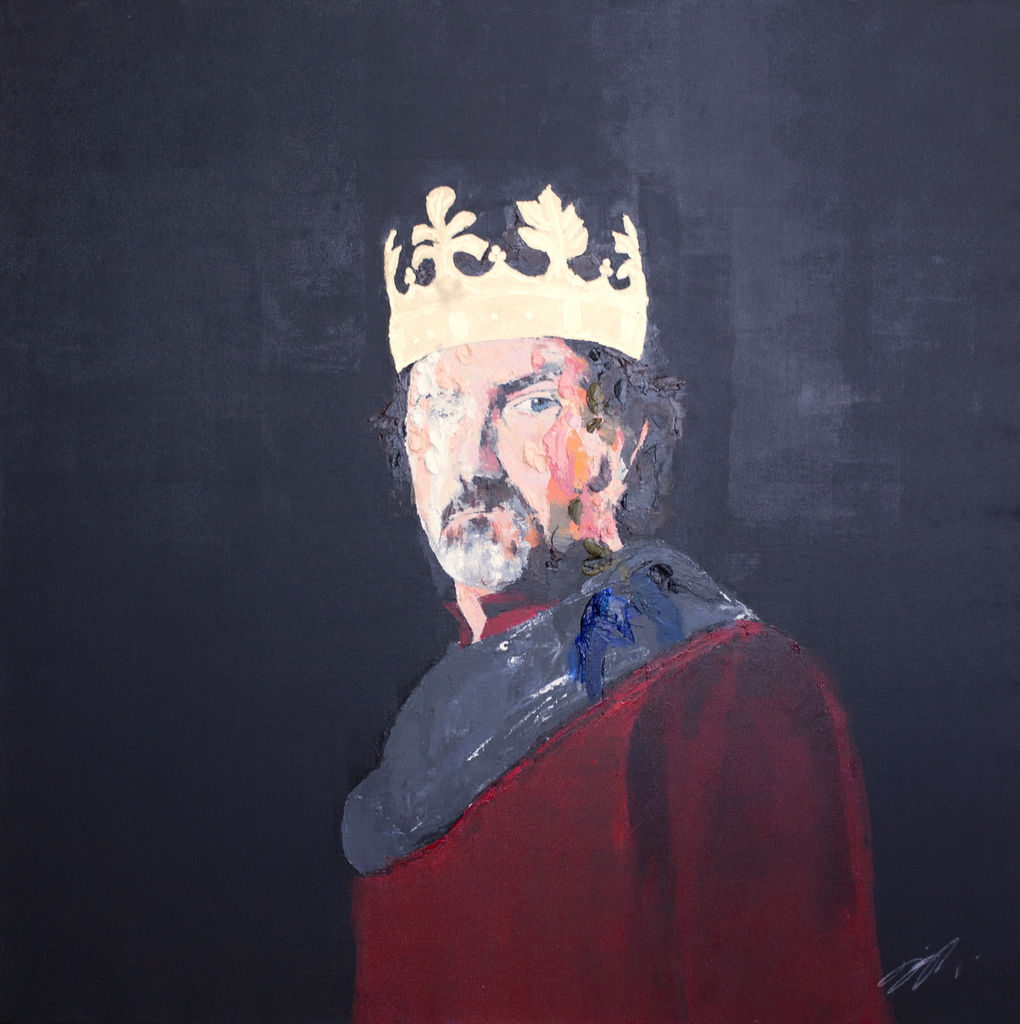
The King - Tomoya
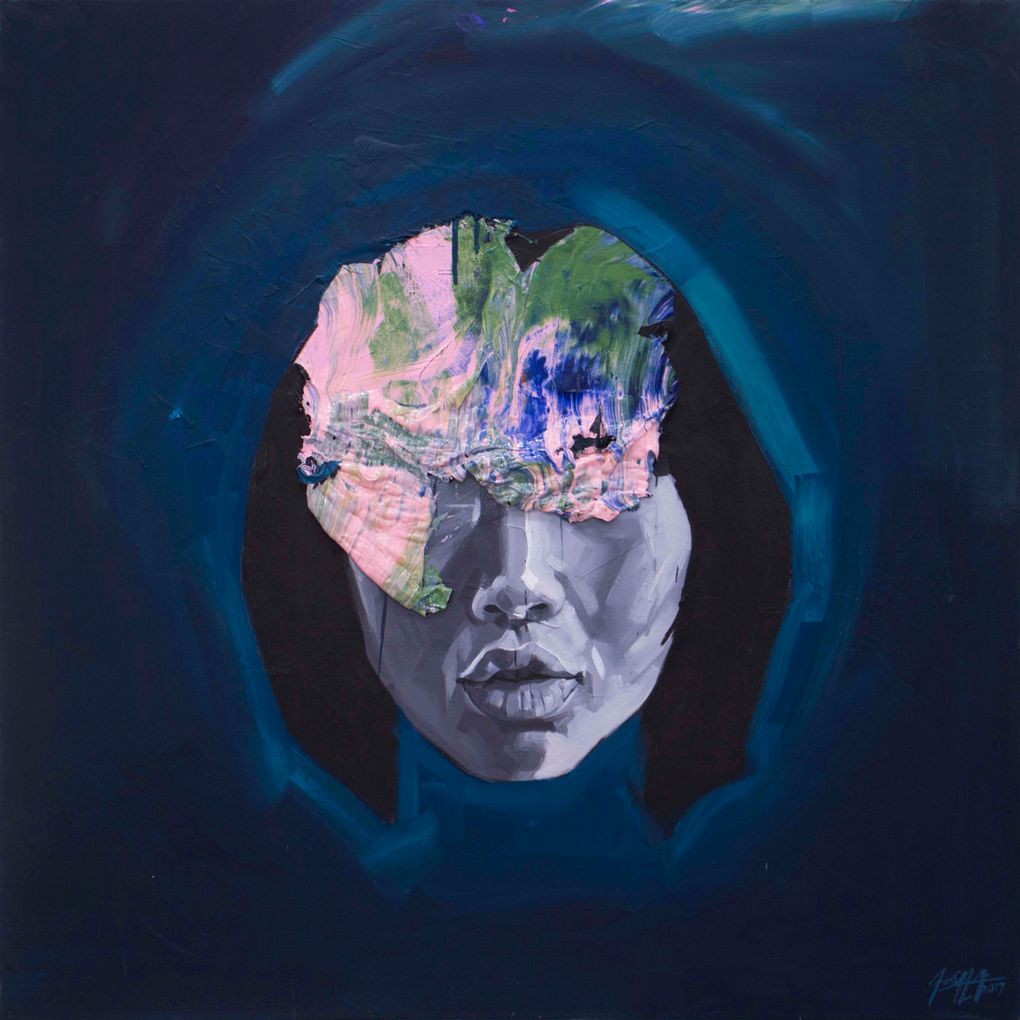
Seeing with mind'due south eye - Kos Cos
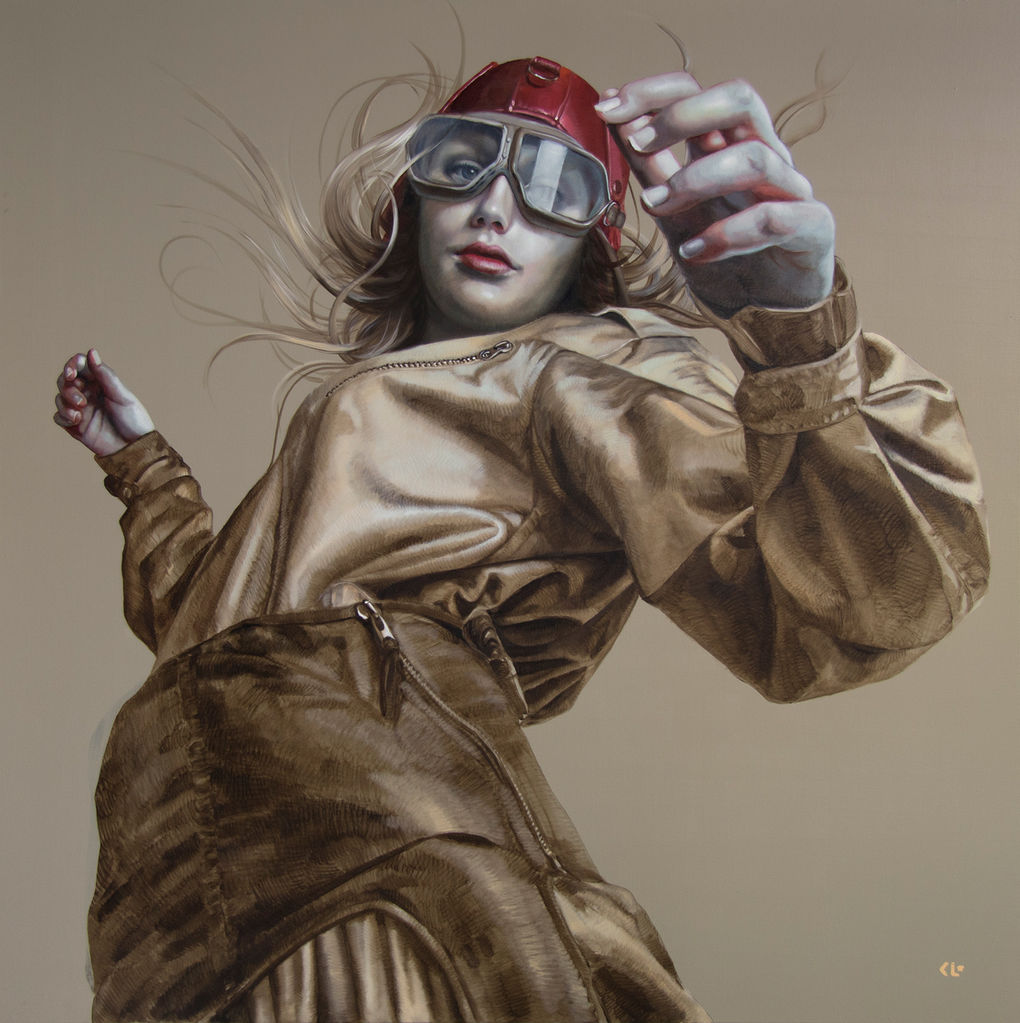
Falling To Far - Kathrin Longhurst
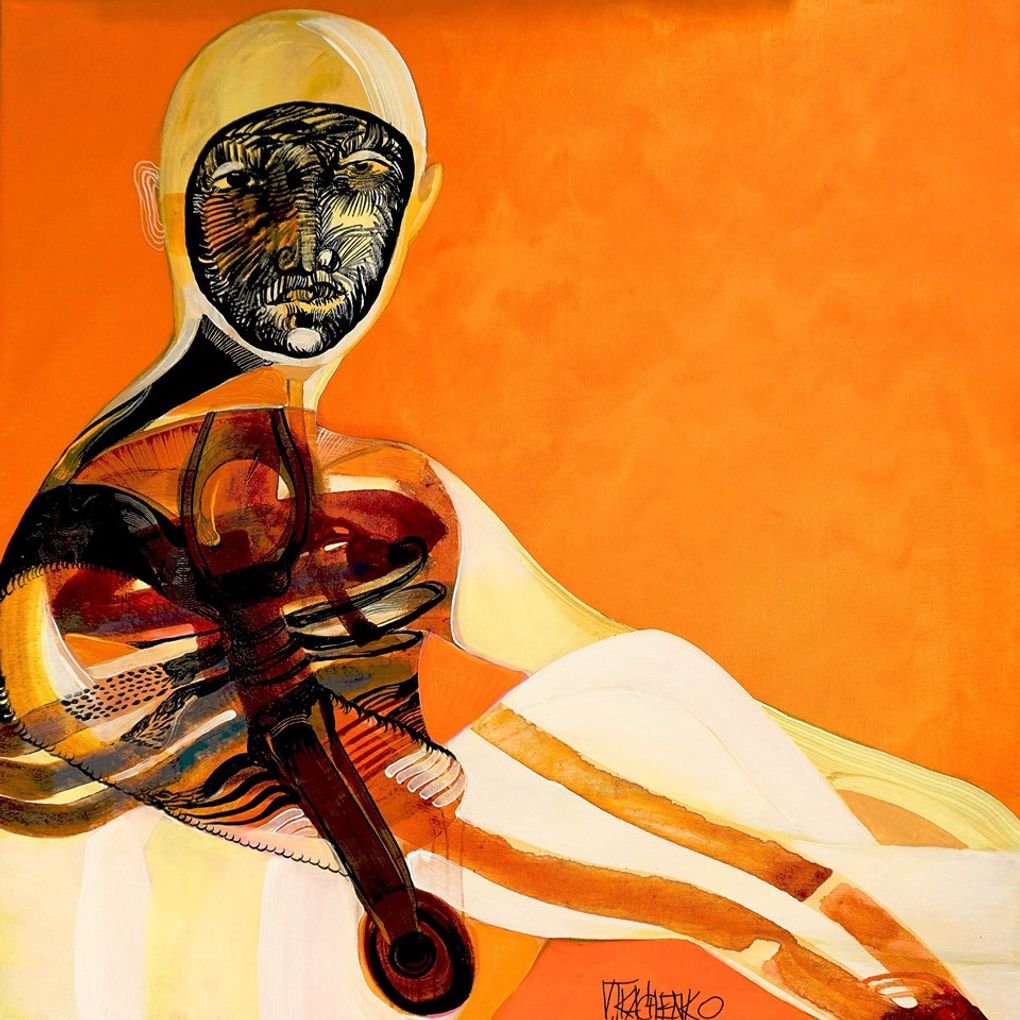
Beach Anatomy - Victor Tkachenko
Portraiture tin can be broadly defined as a presentation of the likeness, character, beauty, status, or essence of a particular person. This aboriginal art style has evolved over 5000 years beyond mediums like paintings, drawings, and sculptures to photography and fifty-fifty video portraits. Some famous examples of Portraiture include the Monalisa by Leonardo Da Vinci, portraits of pharaohs from ancient Egypt, or portraits of Greek and Roman emperors in forms of sculptures and coins! Another form of portraiture is cocky-portrait - a representational or an abstruse or symbolic self depiction by the artist.
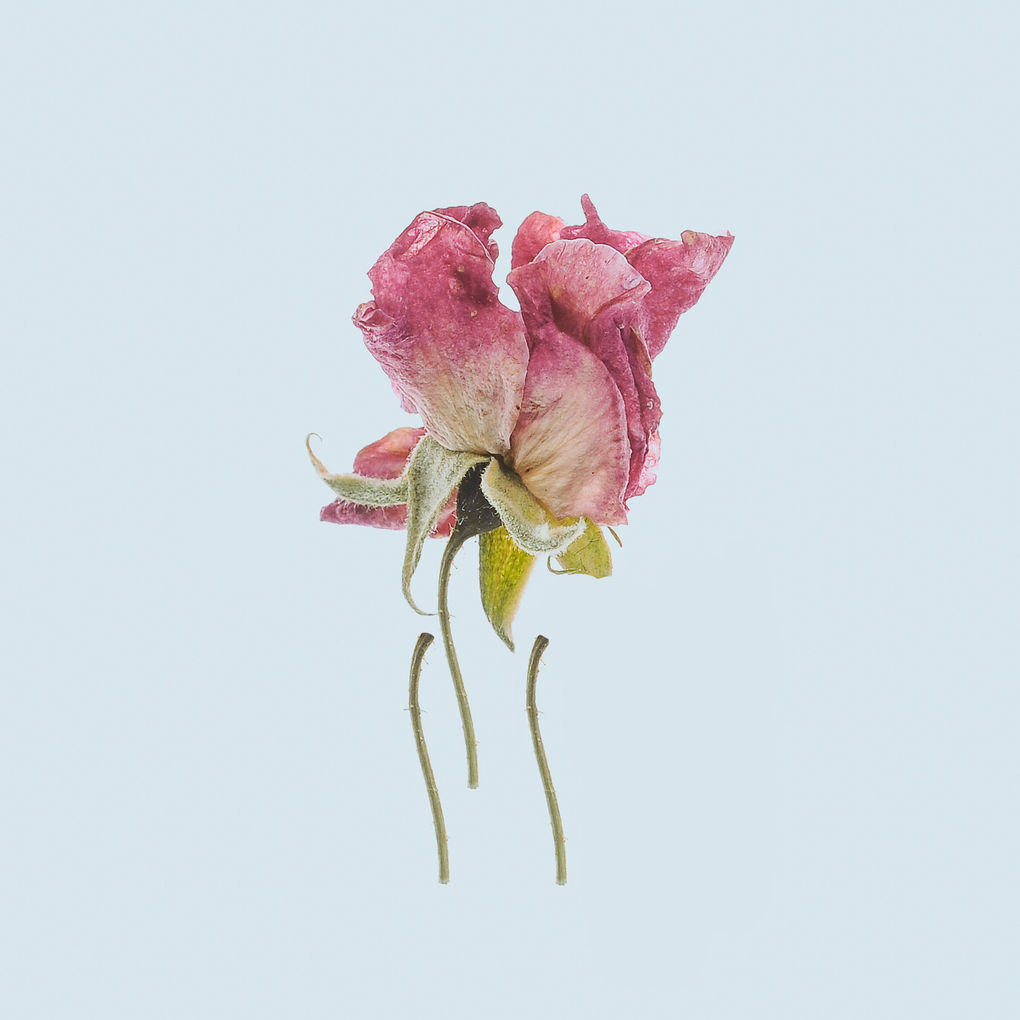
Expiry of Beauties - Yuyang Liu
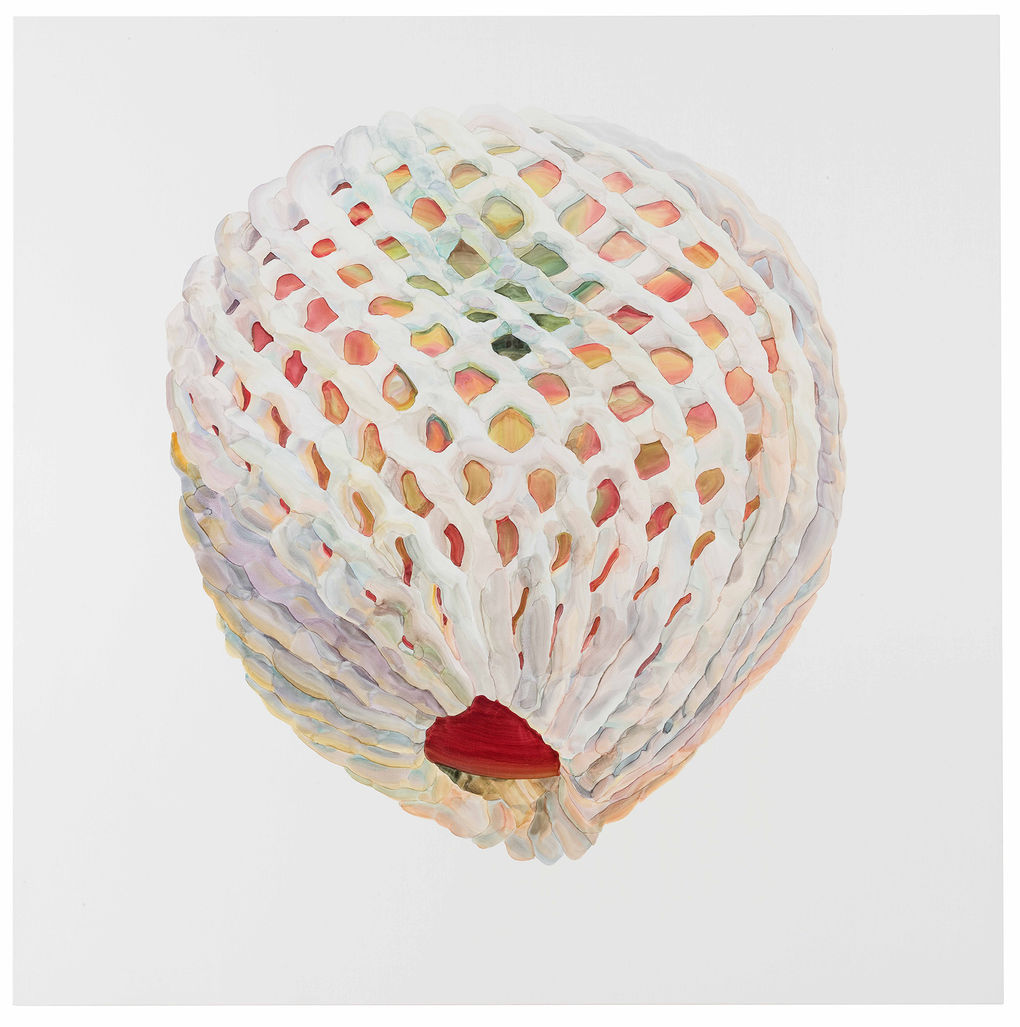
Ruby in Snow - Guo Hongwei
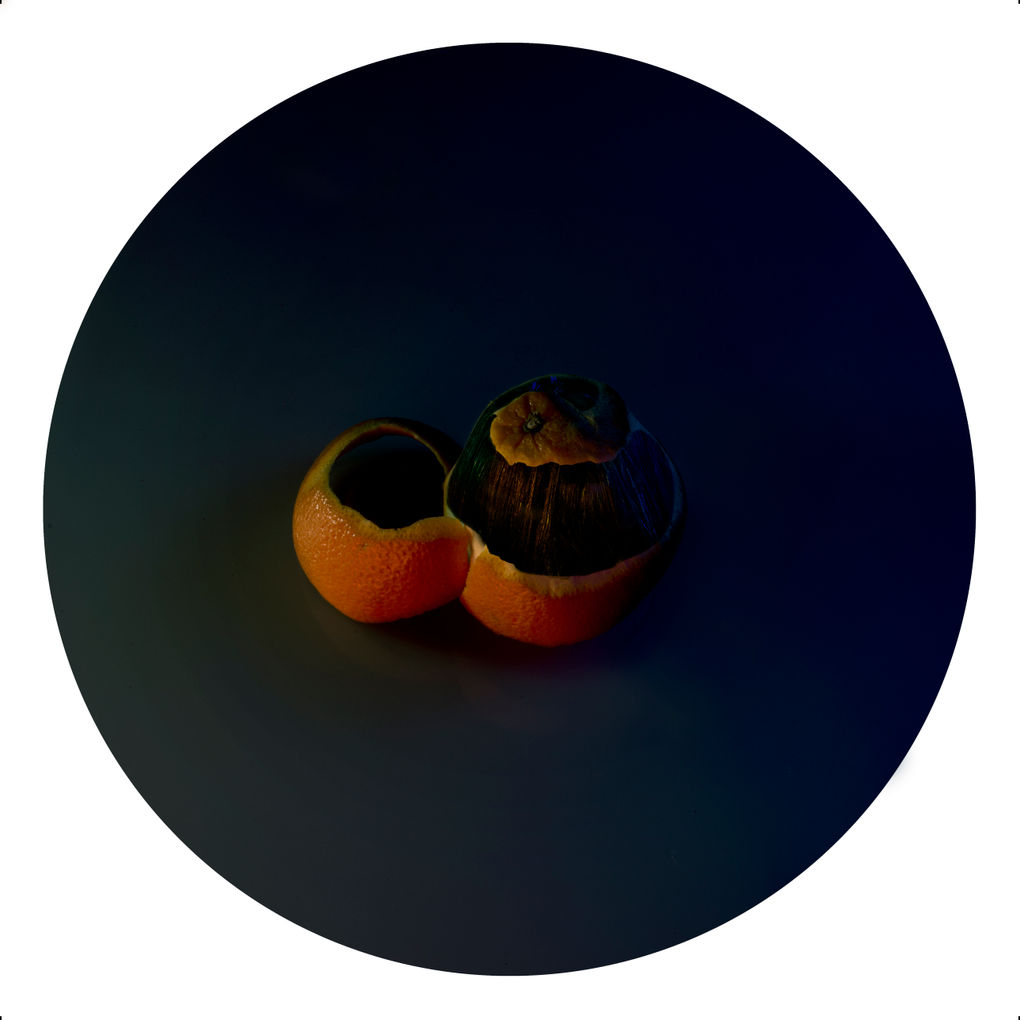
Human Food_6 - Pan Mengmei

White Roses # 3 - Maung Aw
Nevertheless life art is exactly what information technology says - fine art that depicts still or inanimate objects. These objects could exist human-fabricated or natural objects such as food, flowers, game, tableware, and so on. On the dark side, the object depicted could likewise be a expressionless person. These extreme representations lend a fourth dimension-tested depth to this art fashion - celebrating material pleasures of the world or the stark truth of the brusk-lived existence of these pleasures and human life.
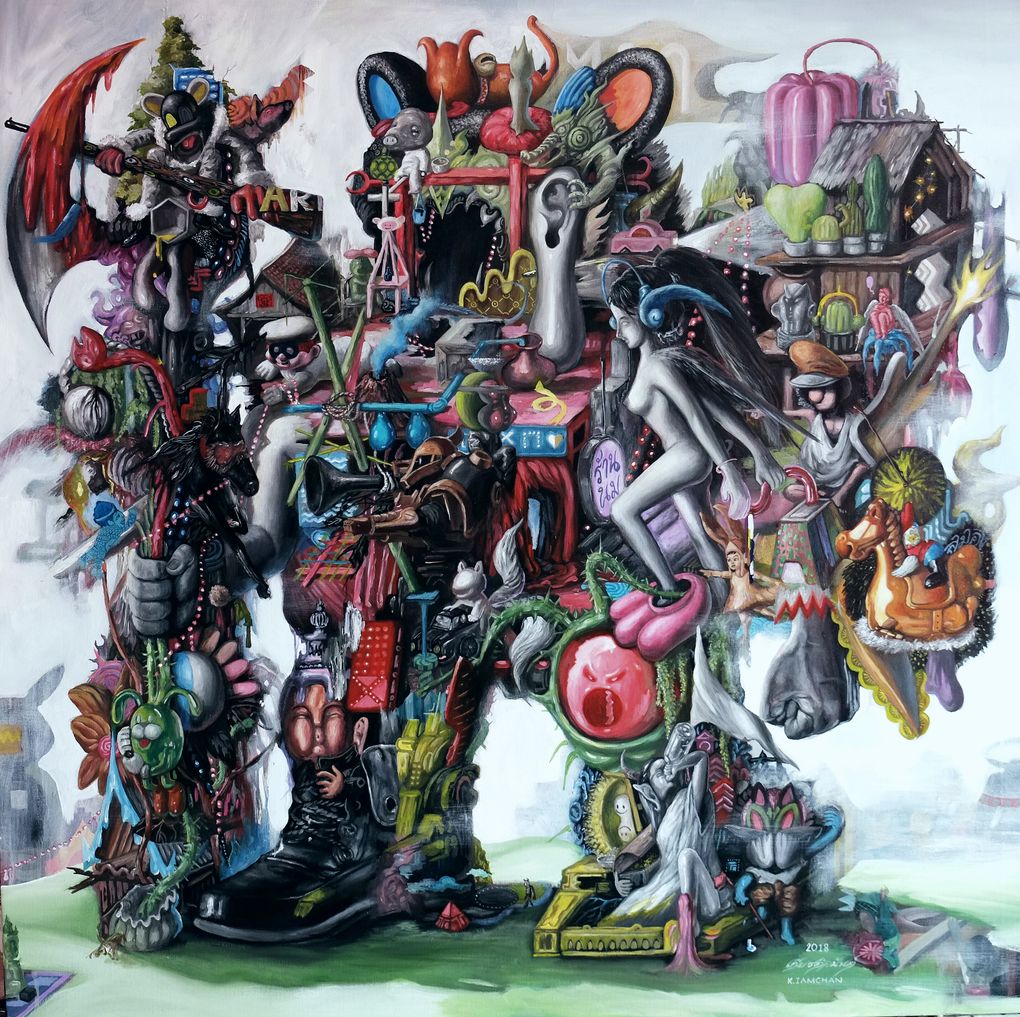
Stream conform - kiatanan iamchan
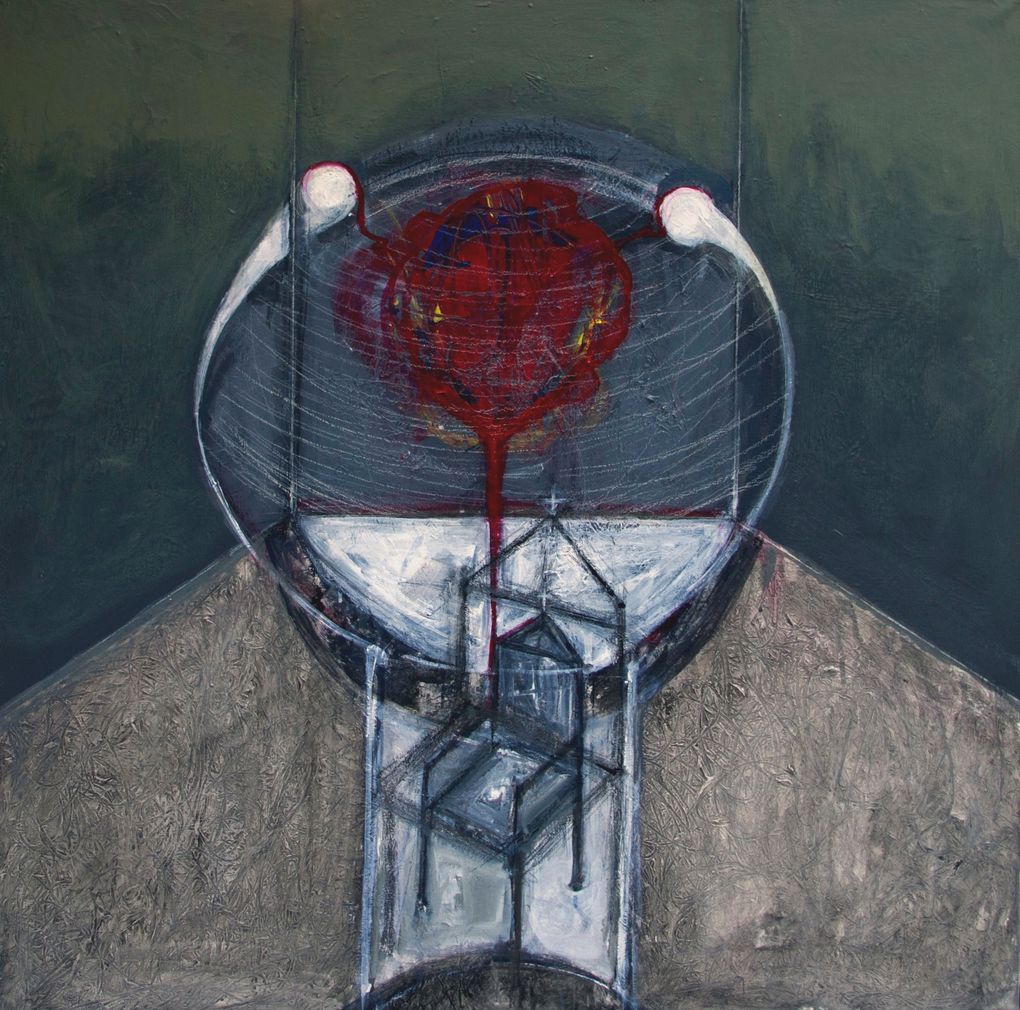
The throne - Simis Gatenio
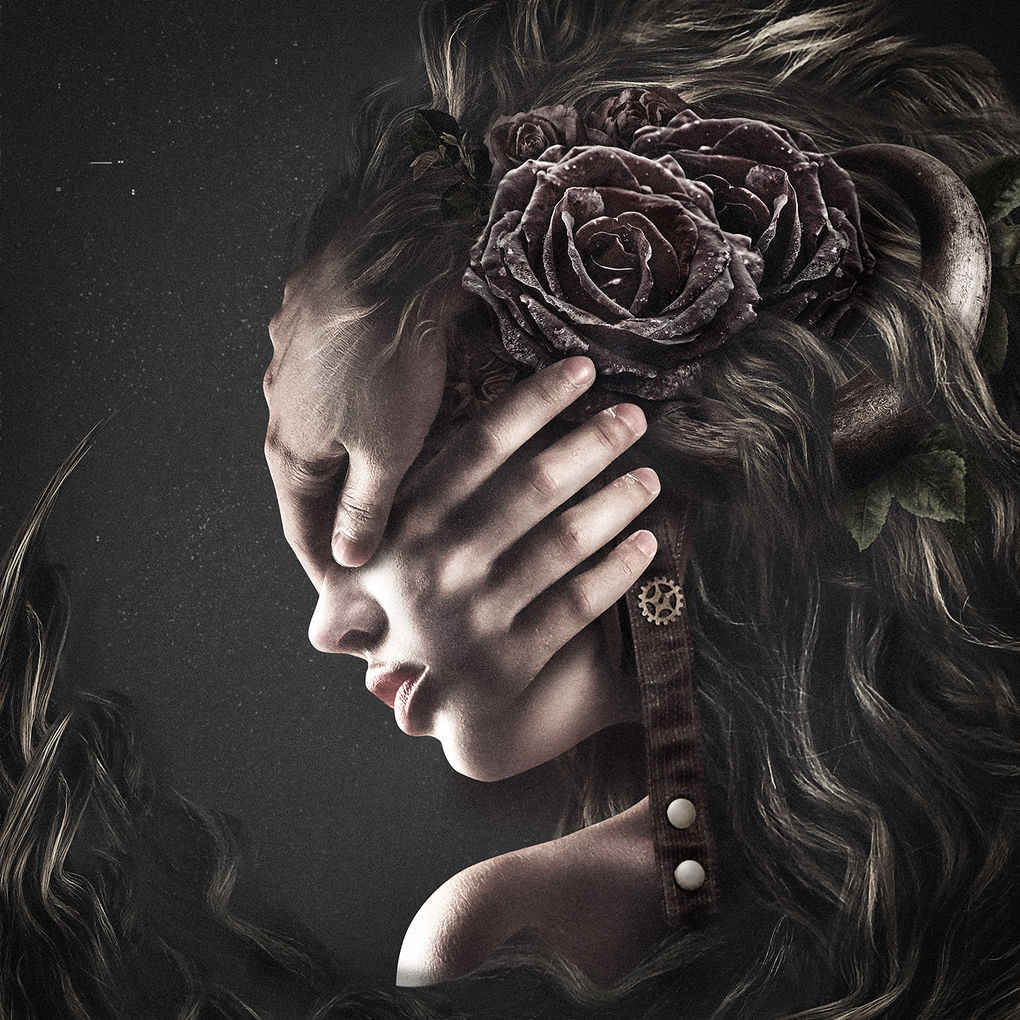
Re: #02 - Okusora Keita
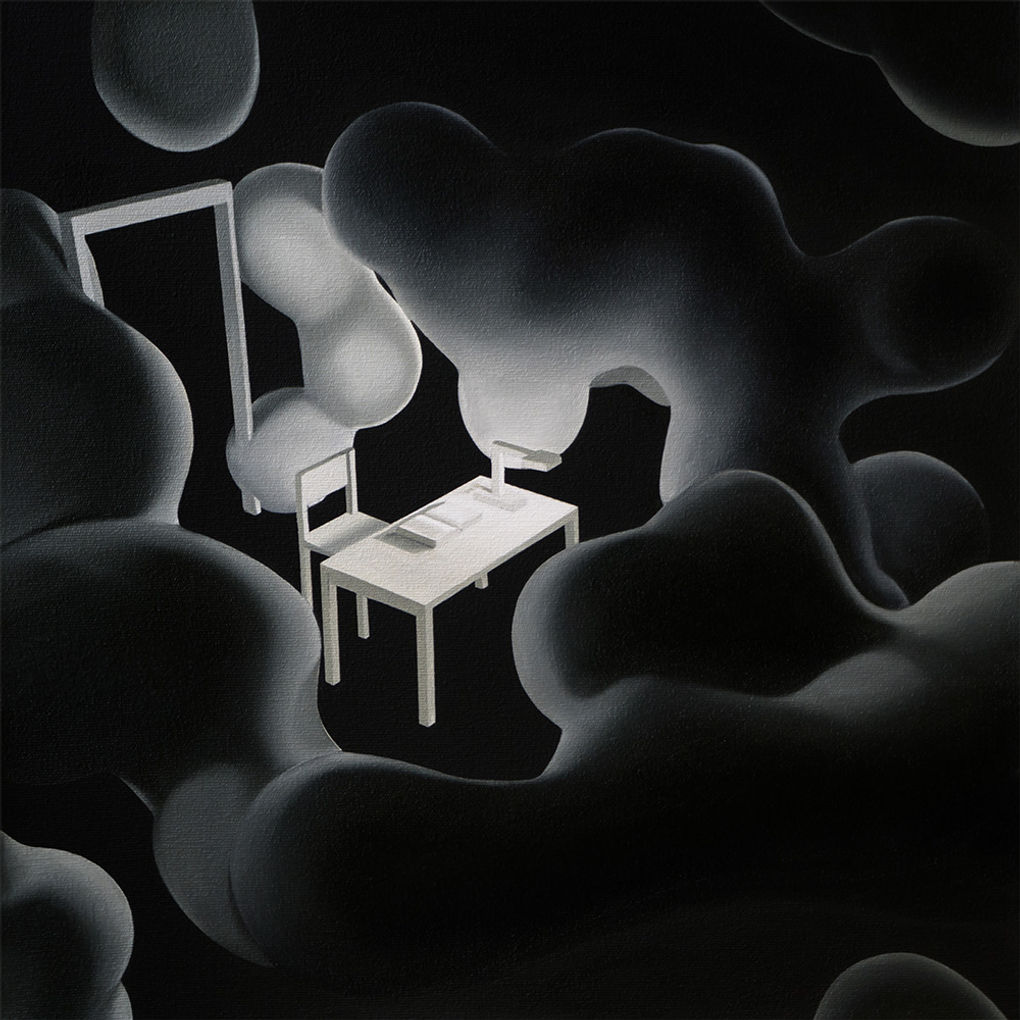
The Study - Erdem Ergaz
A movement that started in the 1920s, Surrealism sought to tap into the unconscious mind, thus revealing a juxtaposition of irrational imageries. Surrealist imagery is i of the most distinct characteristics of Surrealism. Nonetheless, when trying to define it, one finds themselves rather perplexed. A key quote derived from the Surrealist movement is that of André Breton's, a French writer and poet. He stated Surrealism as a "psychic automatism in its pure state, by which one proposes to express - verbally, past ways of the written word, or in any other manner - the actual performance of idea." What Breton implied was how artists could condone rational thinking past tapping into their unconscious mind. This further led to 'automatism' or 'automatic writing', where artists and writers put bated conscious thought and embraced chance through their practice.
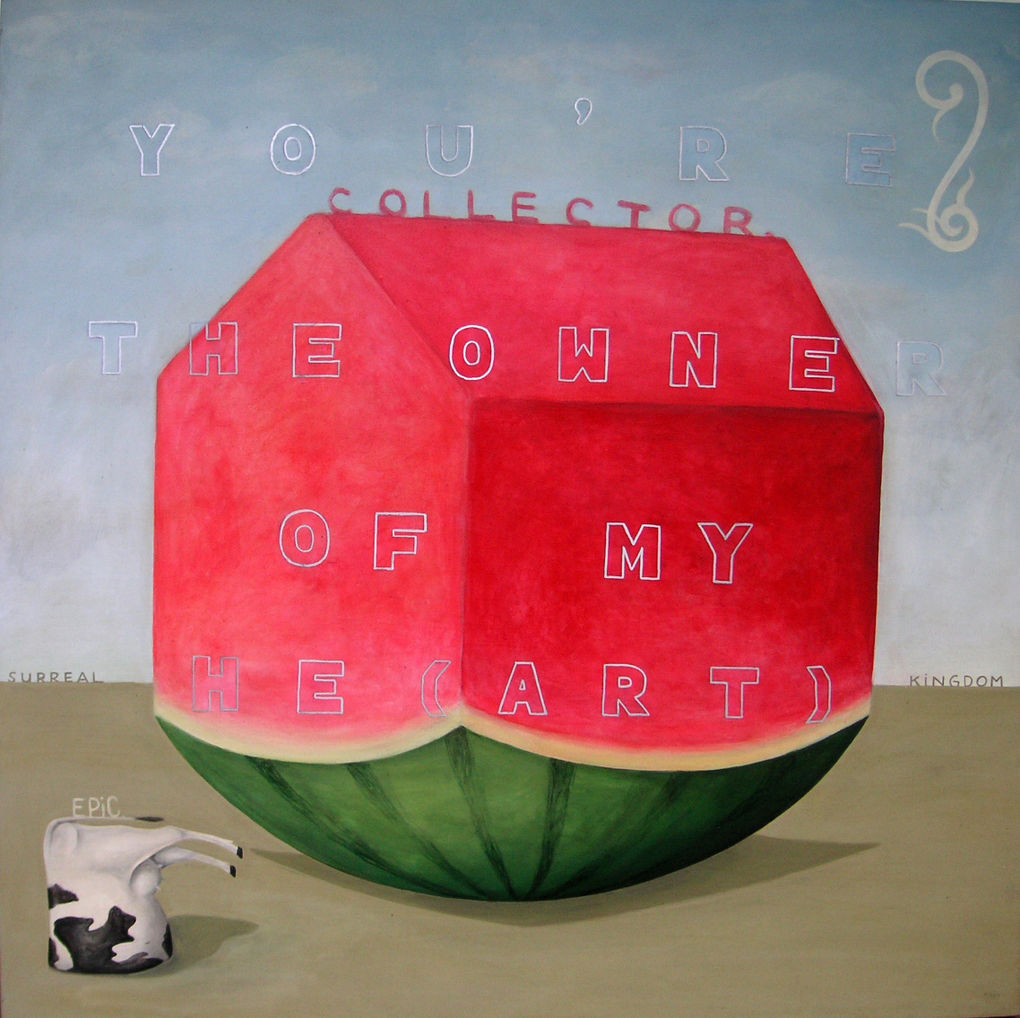
Ballsy - Aji Yudalaga
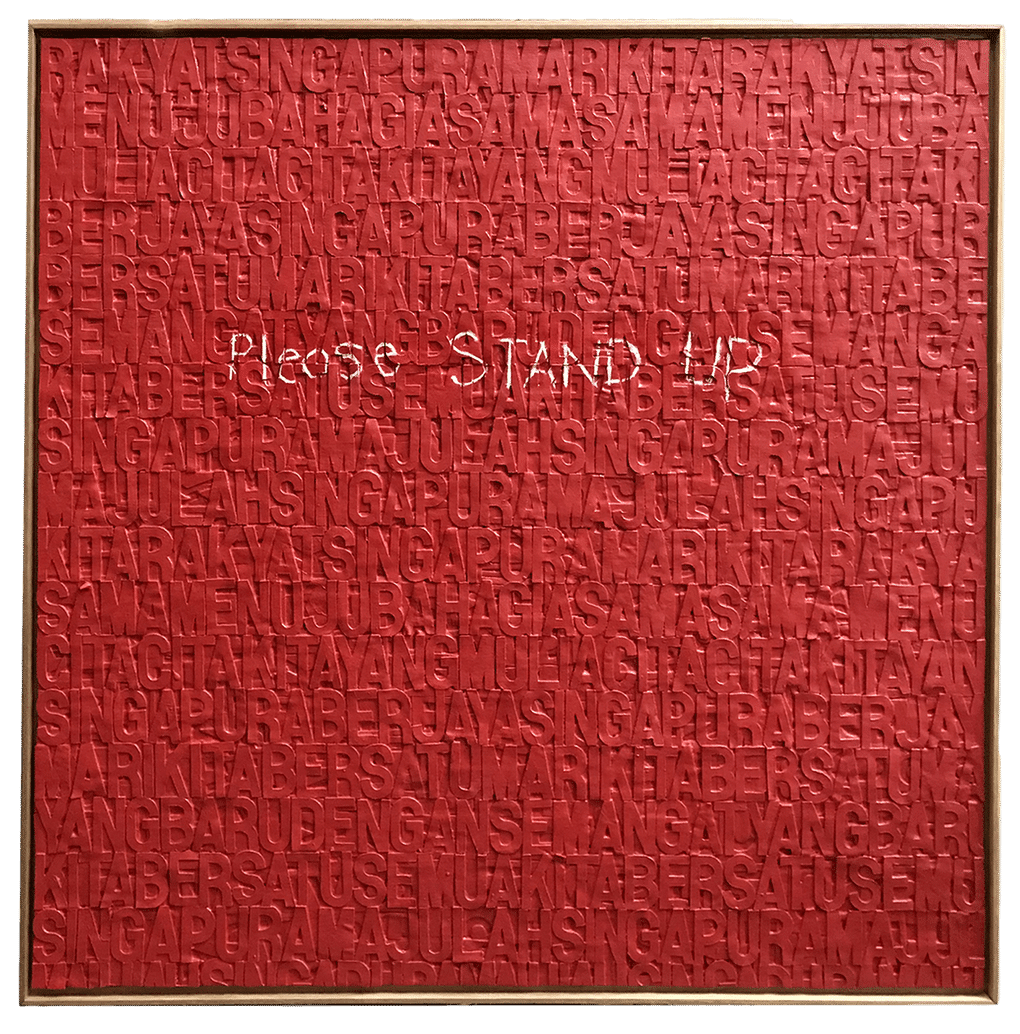
Delight Stand 'Majulah Singapura' # 2 - Ahmad Shukri Mohamed
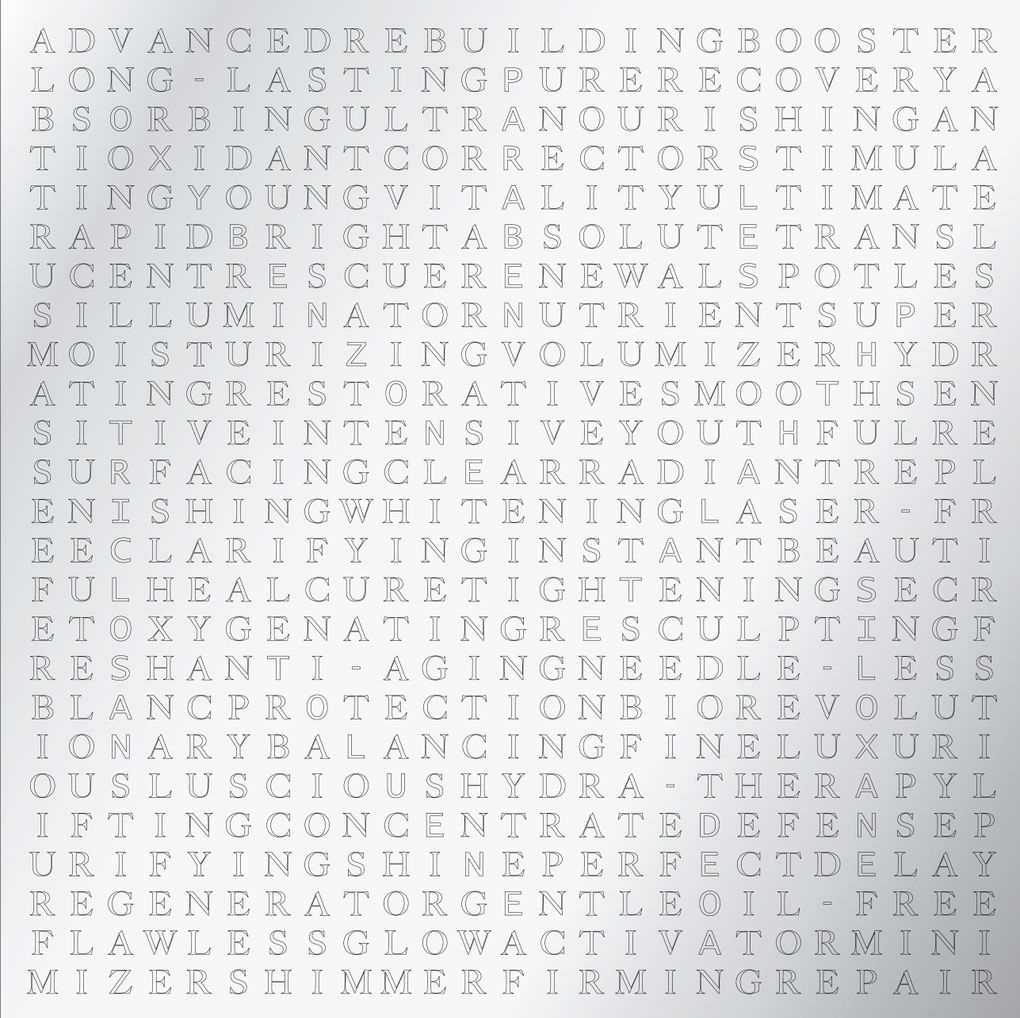
Faking Silence - Shin-young Park
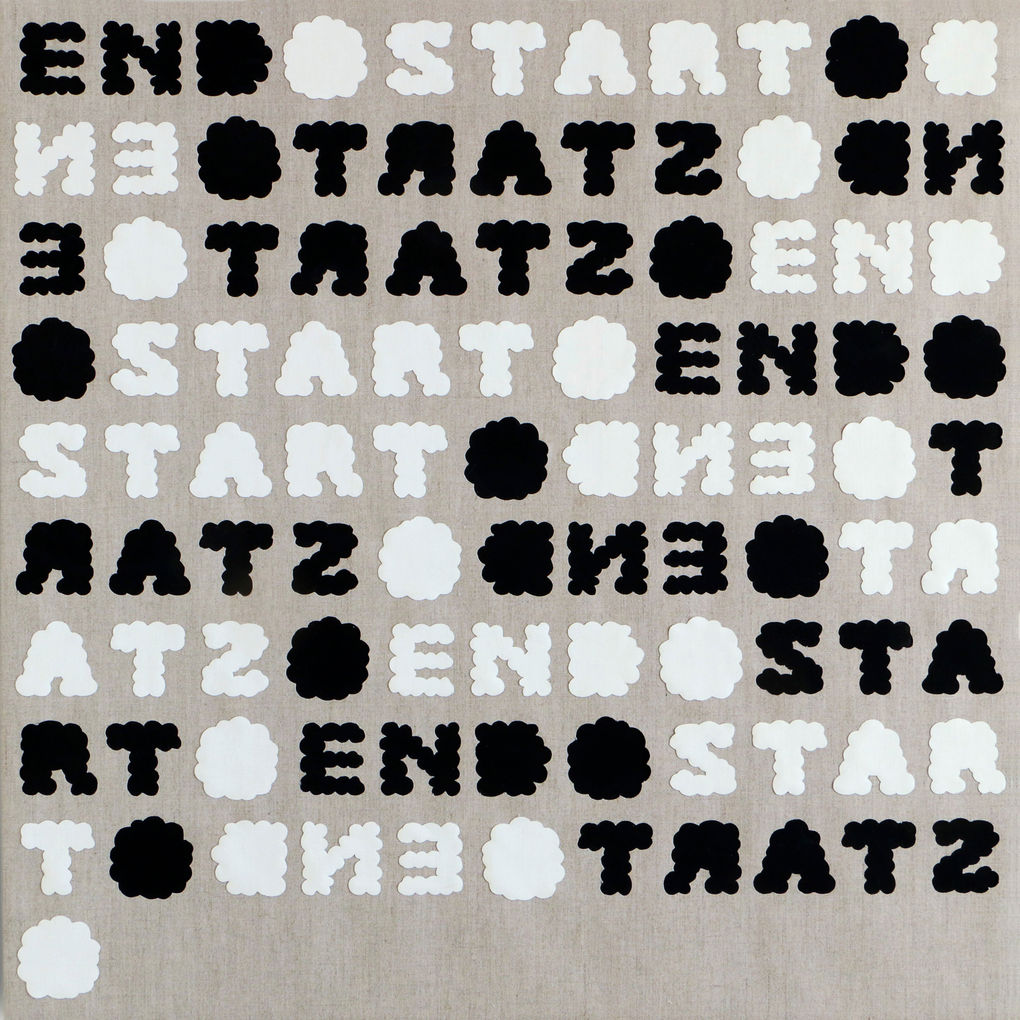
Continuity - Tetsuya Fukushima
Typography is an fine art manner that uses an existing or a new typeface to adapt text in an endeavour to convey a bulletin. A typeface is a mode of designing messages of alphabet to express a specific manner, feeling, brand identity, or just to assistance readability. Typography evolved with growth in the print industry and today you can find typography every where - street sighs, posters, books, and internet. This art style is a fundamental aspect of modern art and design.
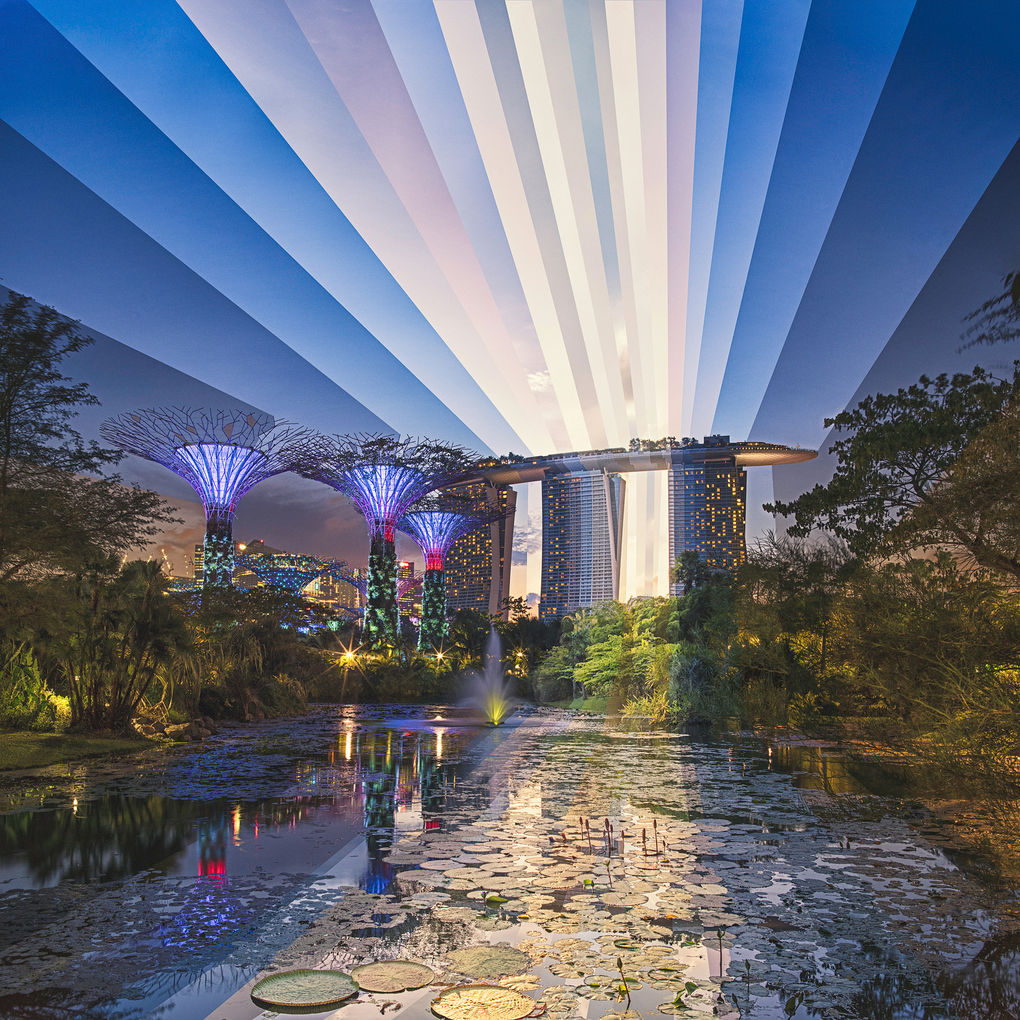
Dusk in the Garden City - Fong Qi Wei
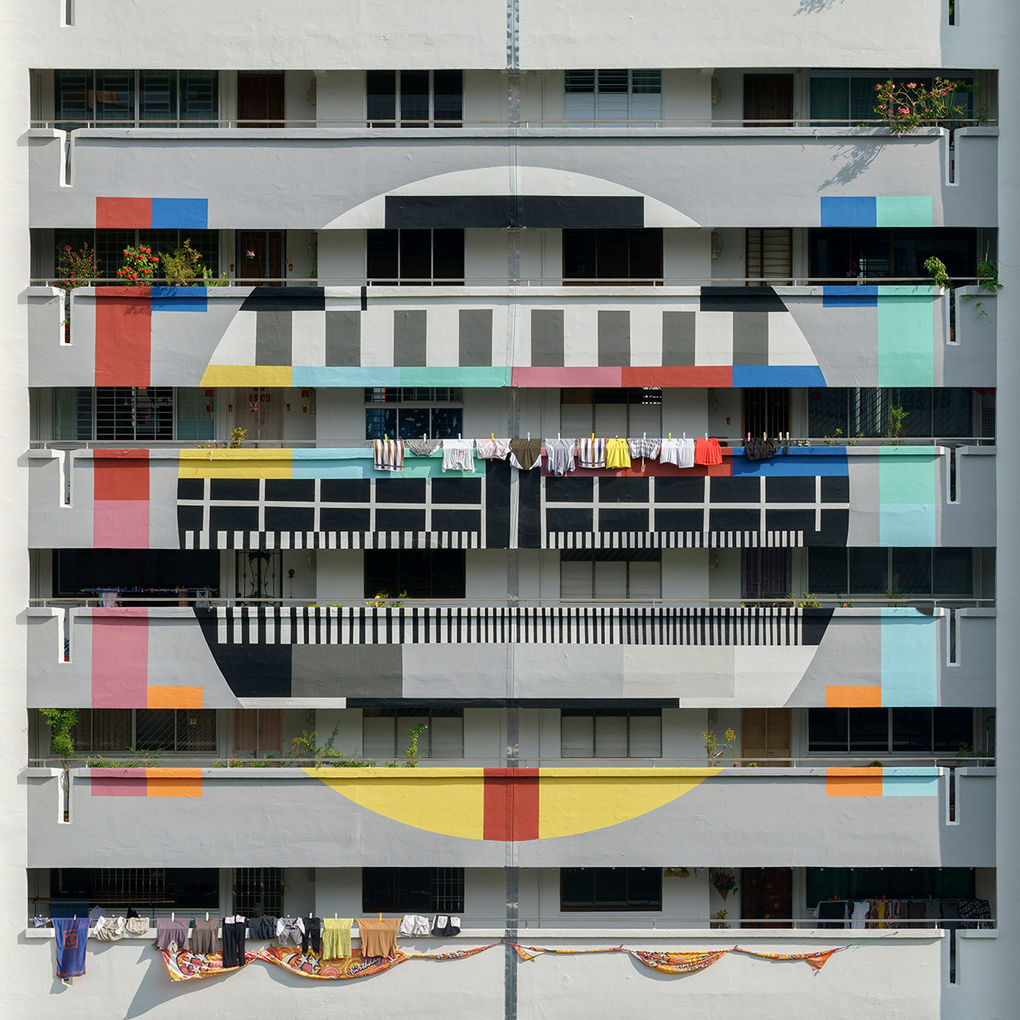
423 Tampines Street 41 - Darren Soh
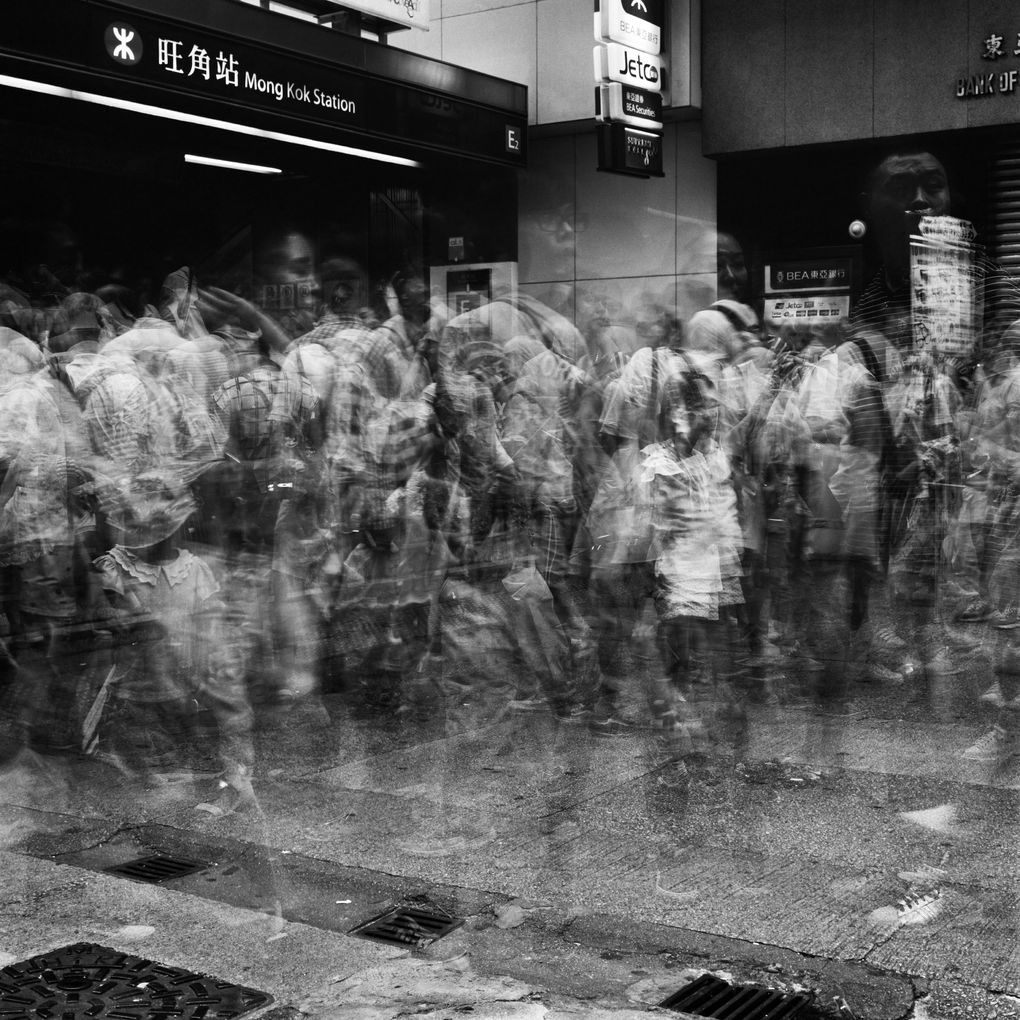
Corybantic City_31 - Zhou HanShun

Urbanized - Aasiri Wickremage
Urban art is used to describe artworks originating from urban environments and often created past artists living in these urban spaces or cities depicting city life and experiences. While Urban fine art is interchangeably used with graffiti art or street art, not all Urban art is created equally street fine art or graffiti art but is too created in studios. This art style addresses the urban lifestyle and spaces while besides focusing on the negative aspects of urbanization and its affect similar poverty, deportation, environment, etc.
At present that y'all know what are the different contemporary fine art styles, why non check out our latest curated art drove. You can too conversation with our skilful curators from whatsoever production page.
Source: https://theartling.com/en/artzine/contemporary-art-styles/
0 Response to "This Type of Art Is Usually So Unique That Only the Artist Really Knows What He Painted"
Post a Comment